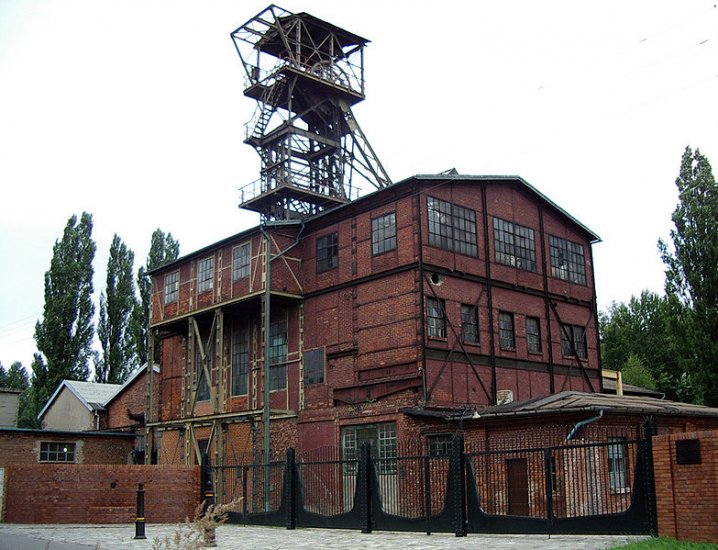
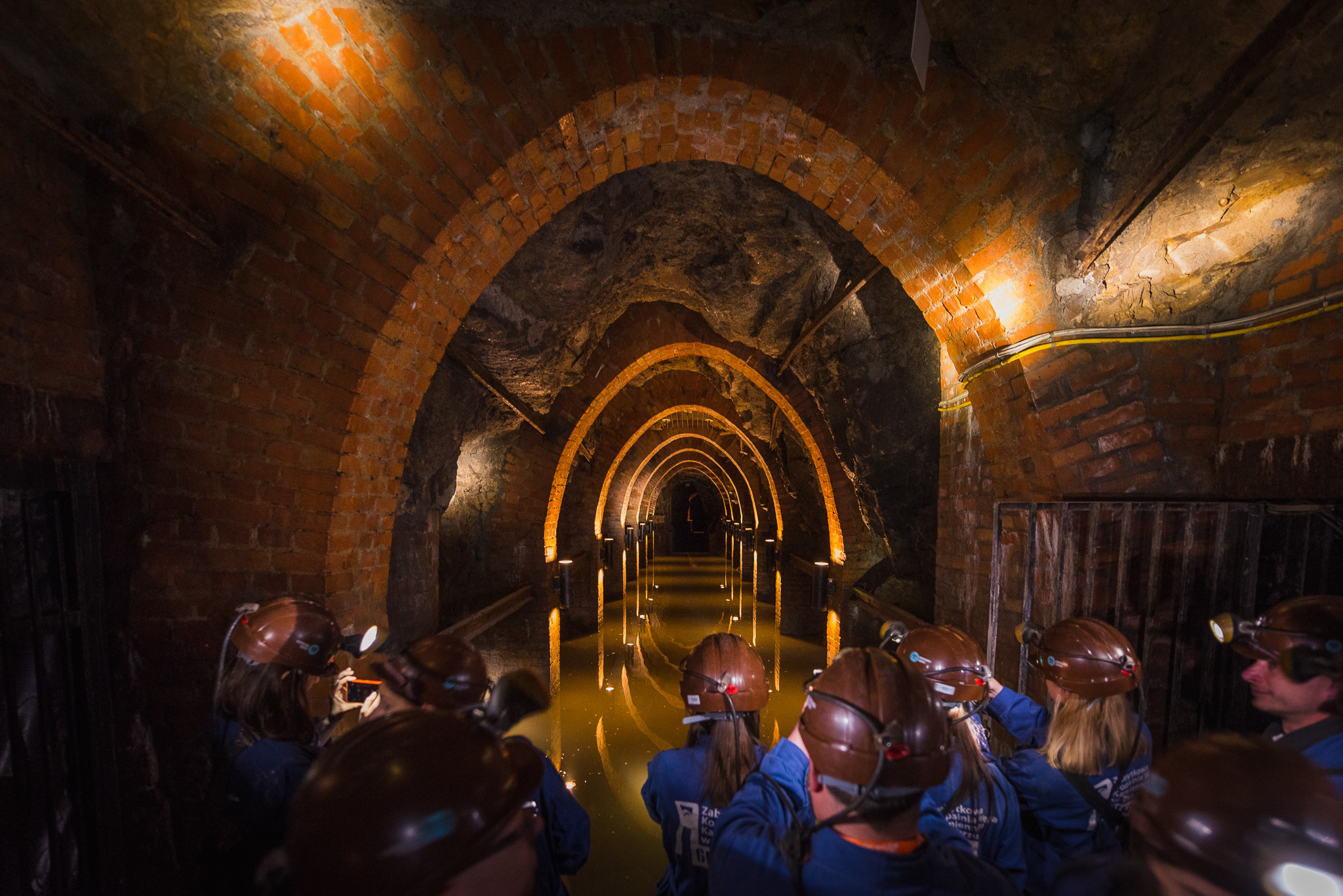
While it might sound like little more than a drunken Scrabble entry, the town of Zabrze is actually a worthwhile detour from Katowice, particularly for those with an active interest in Upper Silesia's industrial heritage and architecture. As the train from Katowice chugs you past dilapidated maintenance yards, landfills and power plants with open flames torching the sky during the short trip west to Zabrze, it is indeed impossible to escape the industrial heritage of the region. The city's three primary attractions are two mine shafts (Luiza and Guido) and the aboveground museum dedicated to the industry of crawling around in them, after all. Fortunately for you, however, the toxic clouds and heavy pollution which once saw the area christened ‘the Black Triangle’ (the other points being Chorzów and Bytom) disappeared along with communism.
To properly trace the history of Zabrze you need to track back to the 13th century when the ruling Piast dynasty actively encouraged German settlement in the region and little towns like Zabrze were the result. It wasn't until the end of the 18th century, however, that Zabrze really made a name for itself. Apparently Zabrzians were especially naughty in the year 1790 and when Santa came round doling out the coal, he dumped it all on Zabrze, turning this quiet backwater into a hotbed of industry and manufacturing. The Queen Luiza mine was opened the very next year, marking the beginning of 200 years of non-stop coal extraction, the history of which you can learn by visiting the site today.
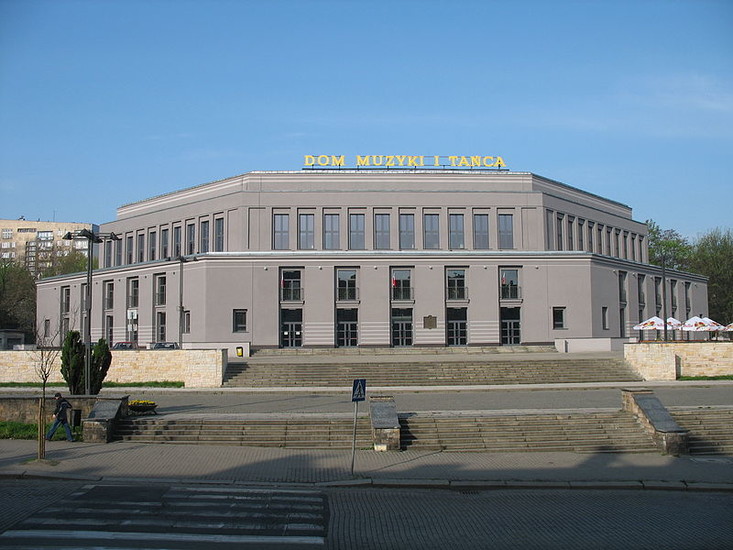
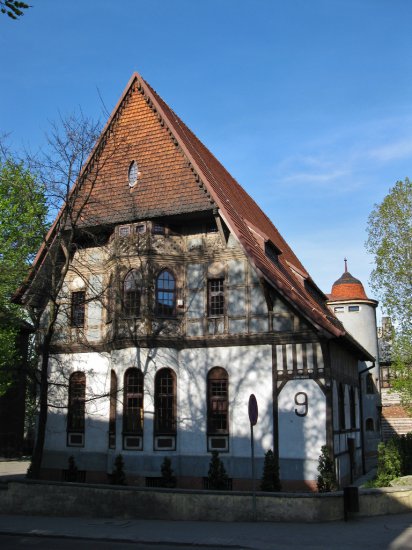
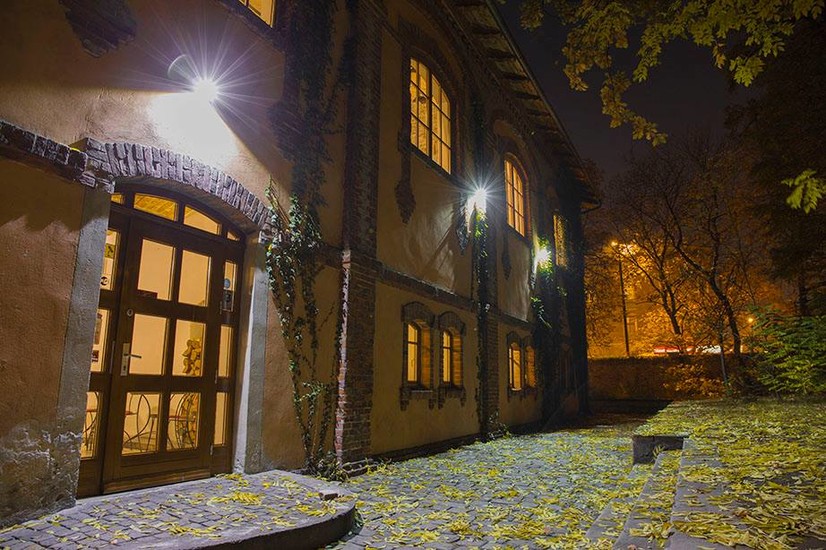
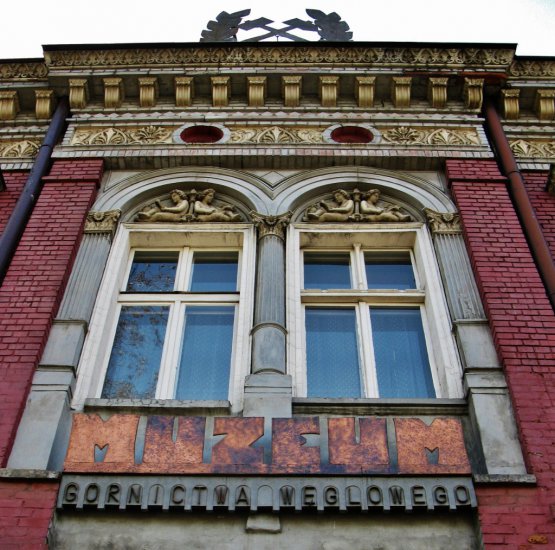
Although Poles still made up a significant proportion of the population at the beginning of the 20th century, this was a German town first and foremost, a fact demonstrated in 1915 when it was renamed 'Hindenburg' in honour of the German Field Marshall and future president. Along with Bytom and Gliwice, it was one of only three towns in Upper Silesia that remained German after World War I and the subsequent Silesian Uprisings and continued to be known as 'Hindenburg' up until 1945 when it came under Polish jurisdiction as part of the mucky fallout of WWII. Those Germans who hadn’t already fled the marauding Red Army were expelled and the town was re-christened Zabrze. In spite of the aggressive ‘Polonization’ that followed, traces of the town's German past are still evident all around the city centre: particularly the antiquated, but still functioning clinical hospital complex between ul. 3 Maja and ul. Buchenwaldczyków, which features over a dozen buildings dating from 1858 to 1905, crowned with a gorgeous timber and brick water tower. The facade and interiors of the nearby Museum of Mining are also a beauty in themselves, but even if you aren't interested in drills and lanterns, make sure not to miss the square across from it with its immense Silesian miner monument, fountain and general bustle of activity - the closest thing to a main square Zabrze possesses. Much of the fun of visiting Zabrze simply entails walking around and appreciating its grandiose and often incomprehensible turn-of-the-century architecture.
Today Zabrze is part of the urban tangle known as the Upper Silesian Metropolitan Union or the Silesia Metropolis of which Katowice plays the role of capital. Possessing a population of about 200,000 and wedged between the growing town of Gliwice and the booming suburb of Chorzow, Zabrze once again faces a bit of an identity crisis. As it famously carries the historical moniker of the largest village in Poland, there is something to this besides mere historic tax evasion. Village life compared to city life in Poland happens at a much slower pace and change comes much slower, for better and worse. Zabrze, like most of Silesia is in the midst of a massive sea change. Factories have been replaced by shopping malls and heavy industry is being replaced by the soft skilled service industry. Zabrze is a testament to how imperfect and lopsided this transition is. On the flip side it is fascinating to see a town in flux. So get out there and explore the winding streets, meandering lanes, sprawling parks and many monuments to the town’s industrial past. We’ve recommended plenty of great food and drink for you to find along the way and some top notch sleeps that will entice you to stay. While the restaurant and nightlife options aren’t much when compared with the rapidly developing Katowice, time and pressure have transformed more than a few lumps of coal into diamonds in the rough. While this town is far from beautiful, it has a palpable post-industrial charm that is worth digging into.
 Editor's pick
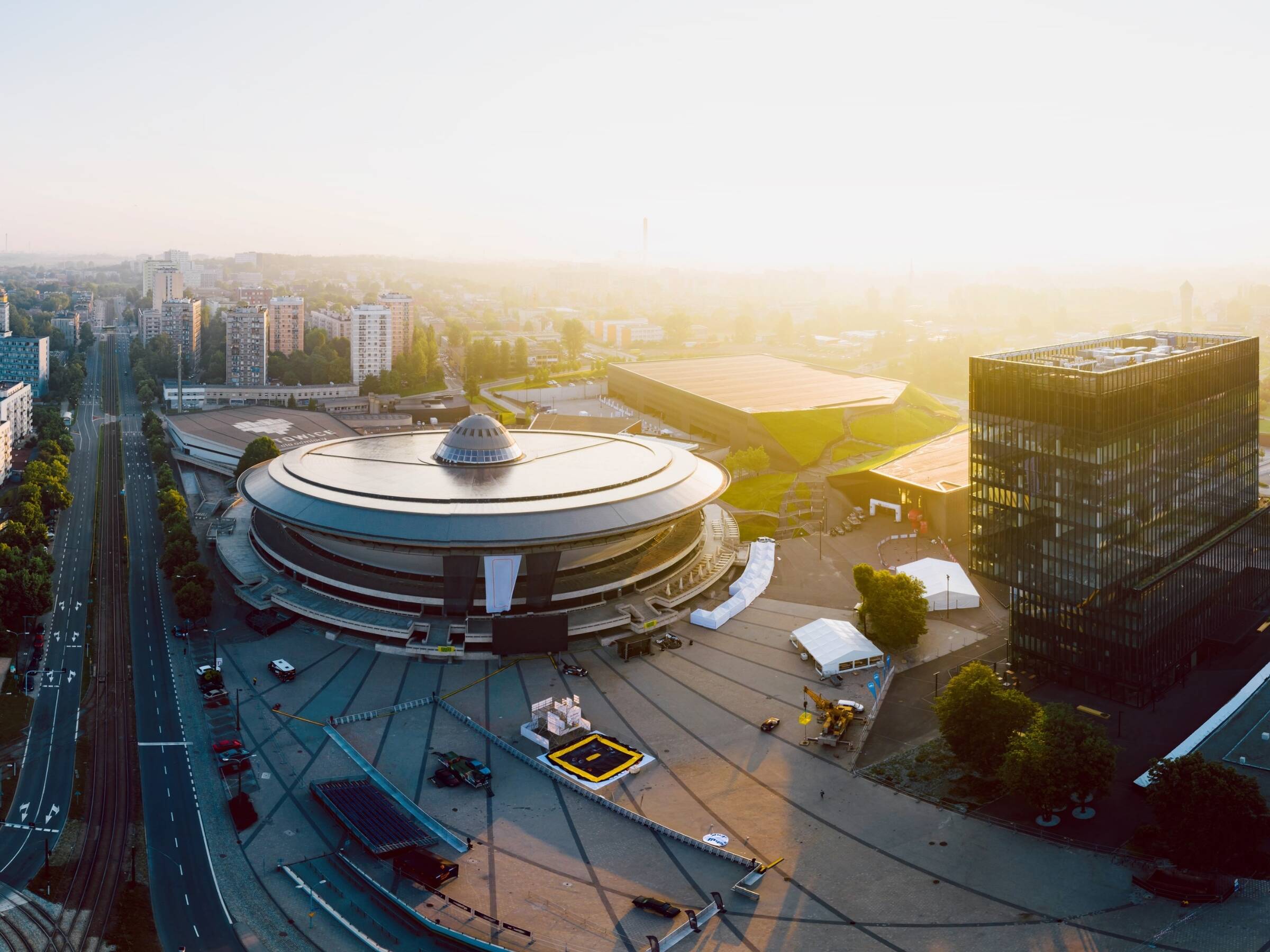
 Katowice
 Featured
 Featured
 Featured
 Featured
 Featured