If you're planning to visit
Kraków
, you're definitely making the right decision. Usually found near the top of the list of destinations of travellers,
students
, and expats, Kraków is right up there with the likes of
Budapest
and
Prague
. So why? Put simply: the city is stunning. With original buildings spanning architecural styles from medieval times to the refined beauty of the renaissance period, the visual impact of the city alone can be quite breathtaking. And it's all possible to see, with it being fairly compact and easy to traverse - perfect! Kraków was once the capital of the Polish state before it was moved north to
Warsaw
, however, the locals still see their beautiful Kraków as the
culture capital and soul of Poland
- it's hard to argue against, with it being a
UNESCO City of Literature
!
Although the ongoing
COVID-19 pandemic
has pretty much put a stop to 'business as usual', there's no harm in planning ahead for your next trip, and if you end up in Kraków, whether you have a day, a week or longer, our list of
the best things to see and do in Kraków
will ensure you don't miss out on some of the city's top attractions! Let's begin...
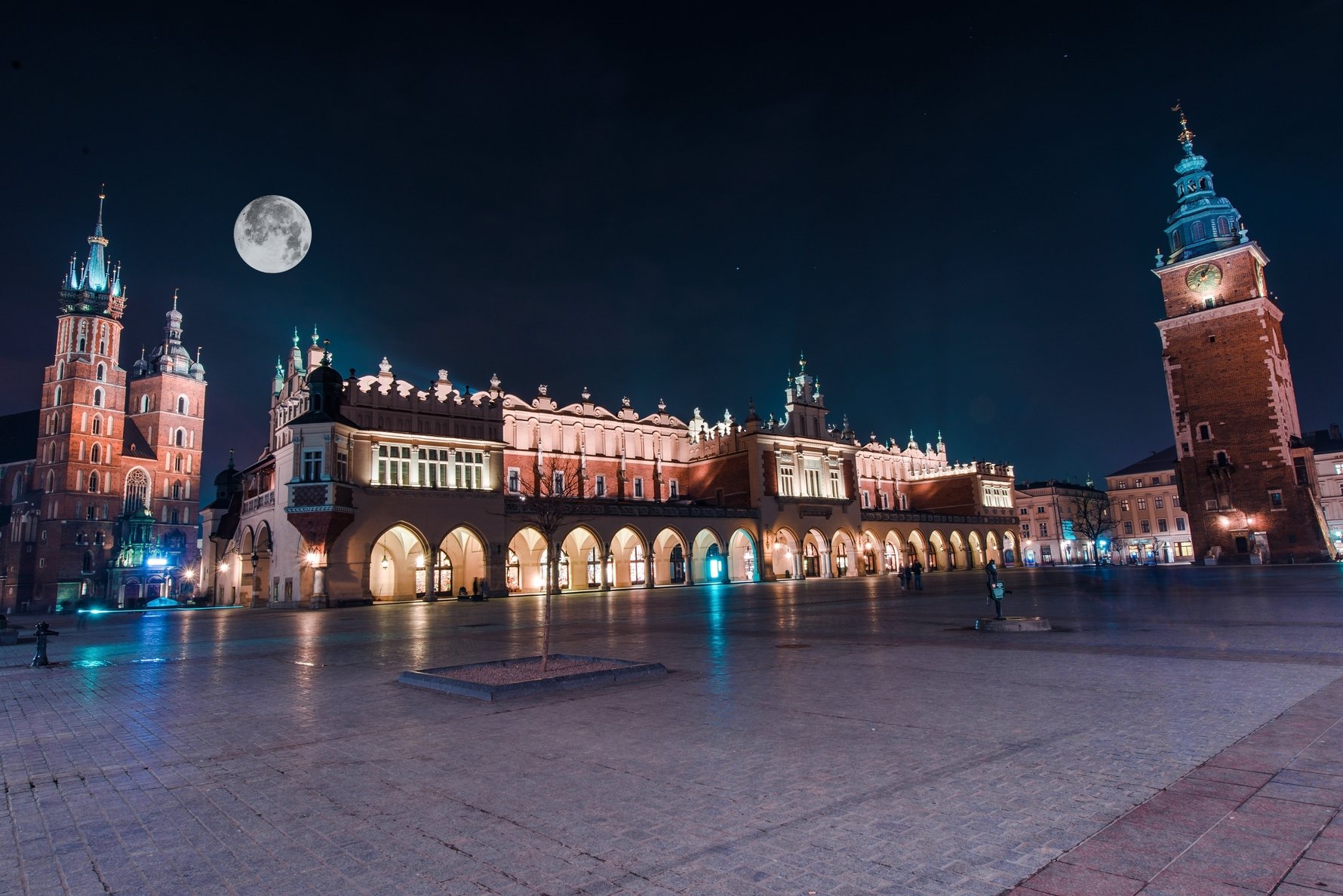
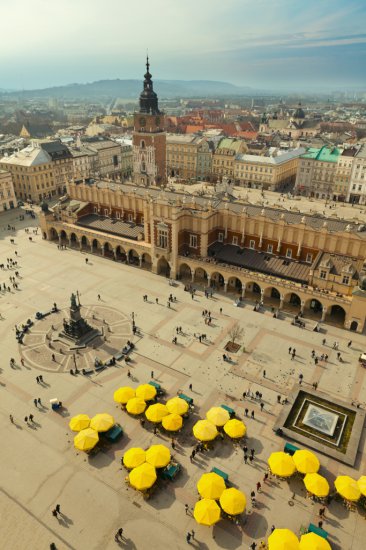
Kraków’s main market square ('
Rynek Główny
') serves as the city’s gravitational centre as the heart of the
Old Town
and is the natural start and finish point for any tour of the city. Originally designed in 1257 - the year Kraków was awarded its charter – the grid-like layout of the Old Town and its central square has changed little in the years that have followed. Measuring 200 metres squared (40,000 square metres),
the Rynek ranks as one of the largest medieval squares in Europe
, and is surrounded by elegant townhouses, all with their own unique names, histories and curiosities. Through the centuries it was in Kraków’s Rynek that homage to the king was sworn and public executions held. Most famously it was here that
Tadeusz Kościuszko
roused the locals to revolt against foreign rule in 1794. The Rynek has always been the natural stage for public celebrations, with everything from parades of sausage dogs to
Christmas crib competitions
taking place.
Taking centre stage is theCloth Hall (Sukiennice). Built in the 14th century this huge hall was effectively the first shopping mall in the world. To this day it is still crammed with merchant stalls selling amber, lace, woodwork and assorted tourist tat.
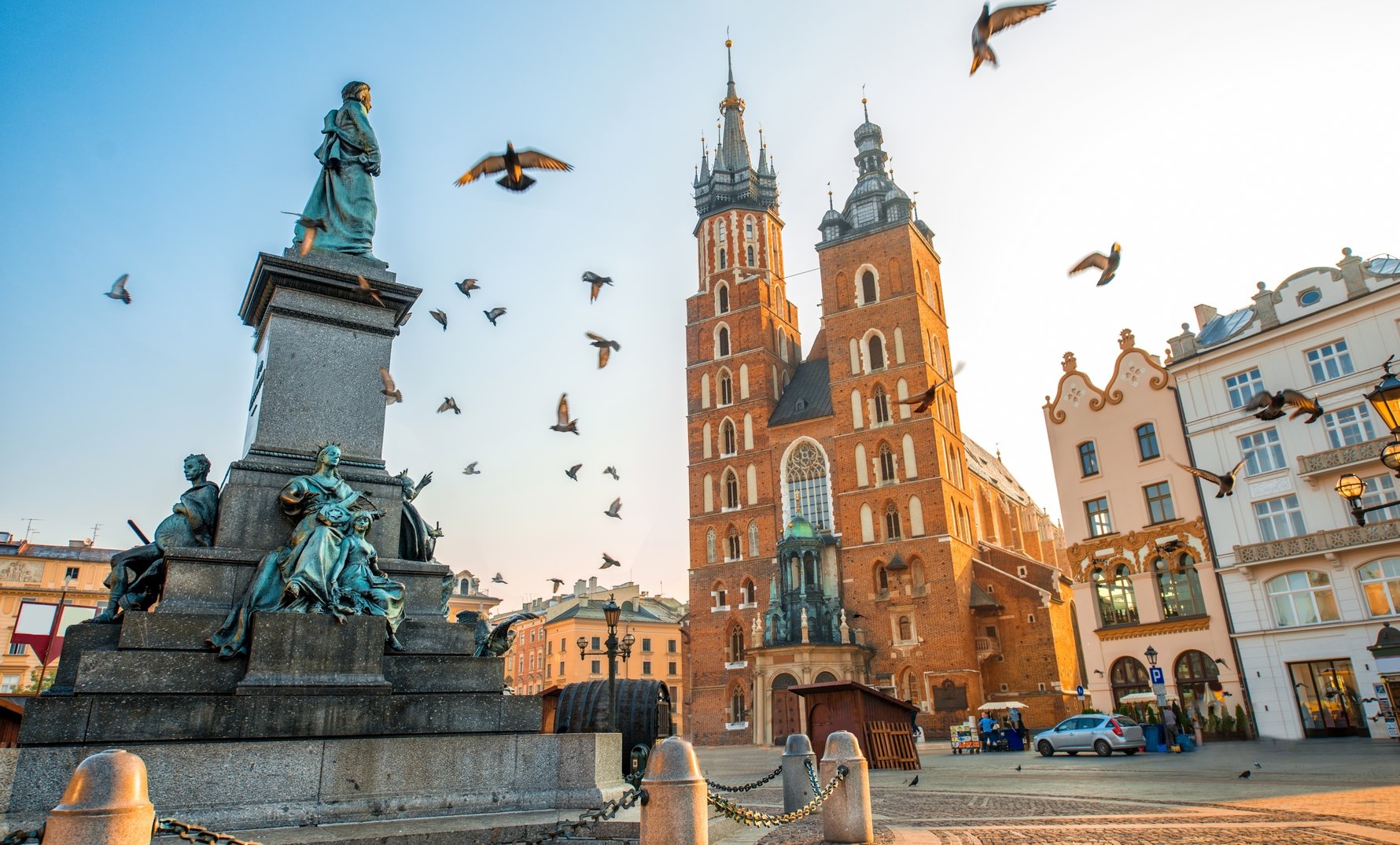
Directly next to the Sukiennice stands Poland’s most eminent scribe: Adam Mickiewicz. Ironically, the bard never visited the city until after his death when his remains were transferred to the Wawel Cathedral crypt, but this hasn’t stopped the statue from becoming one of Kraków’s best loved monuments. Across from Mickiewicz looms the magnificentSt. Mary’s Basilica, its crowning glory being Veit Stoss’ altarpiece - don't miss the famous bugle call played from the tower of St. Mary's every hour, on the hour - one of Kraków's most charming and famous traditions.
On the square’s other side is the 70 metre Town Hall Tower, the only element of the 14th century Town Hall remaining after many fires, renovations and uncaring demolitions - it even leans to one side by 55cm! From March until the end of December visitors can ascend up lots of stairs to the 3rd floor through Gothic vaulted rooms which contain, amongst other things, 1960s photographs of Kraków and rather underwhelming views to the west and south.
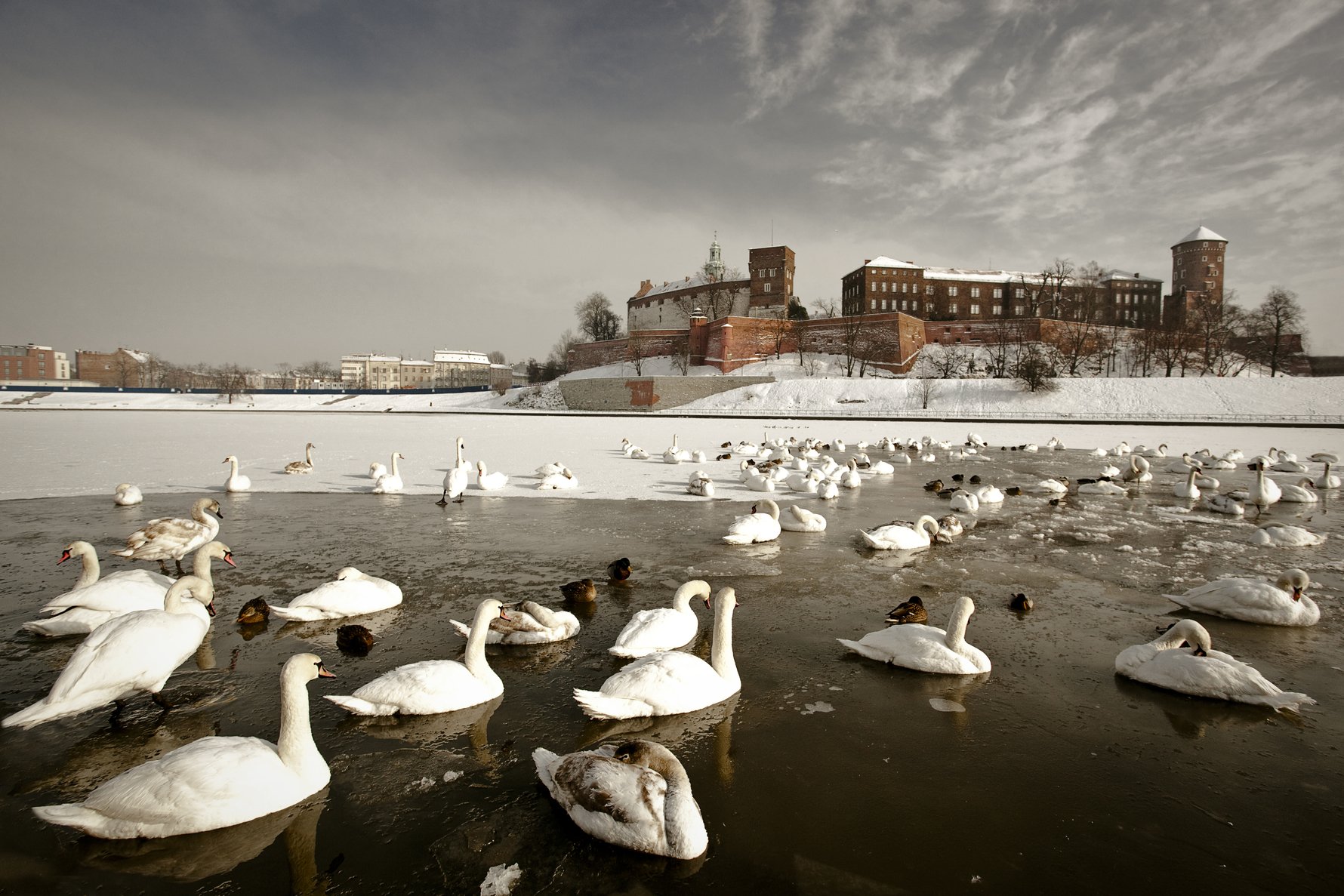
Wawel’s prominence as a centre of political power predates the building of the first Cathedral on the site in 1000AD. Evidence shows that Wawel Hill was being used as a fortified castle before Poland’s first ruler, Mieszko I (circa 962-992), chose
Wawel
as one of his official residences. The first Polish king crowned in
Wawel Cathedral
was the teenage Władysław the Short (1306-1333) on January 20, 1319, beginning a tradition that would see a further 35 royal rulers crowned there up until the 17th century. All of these rulers used the Castle as a residence, and all of them added their own architectural details to the building. The moving of the capital to Warsaw in 1596 and Poland’s subsequent decline and partitioning saw the Royal Castle fall into a state of disrepair. The occupying Austrians used it as a military hospital and even went so far as to demolish several buildings including a number of churches on the site. The 20th century saw the Castle change hands on a number of occasions, most famously when the Castle was used as the headquarters of the Nazi Governor General, Hans Frank, during the German occupation of WWII. Today’s Castle complex is a beguiling muddle of styles including Medieval, Romanesque, Renaissance, Gothic and Baroque. The inner courtyard with its delightful colonnades is a true architectural masterpiece, and the treasures contained within do much to contribute to Kraków’s rightful status as a truly world-class city.
After Tartar raids in the 13th century left the original church in a heap of ruins, St. Mary’s was rebuilt in Gothic style on the existing foundations and consecrated in 1320. In the early 15th century the towers took the iconic form they have today, when the northern tower was raised to 80m high and made into a watchtower for the city. It is from here that the
hejnał mariacki - the city's famous bugle call - is played every hour on the hour
. One of the city's most enduring traditions, the tune ironically breaks off mid-melody in honour of the mythical trumpeter who was shot in the neck while belatedly warning the city of Mongol invaders; don't miss it.
No matter how many times you see them - the altarpiece, stained glass windows of the nave, and the blue, starred ceiling on St. Mary's will take your breath away. The magnificent wooden altarpiece was the principal work of 15th century German artist Veit Stoss (aka Wit Stwosz) for 12 painstaking years, and depicts the Virgin Mary’s Quietus among the apostles. Surrounding the altar are polychrome paintings by Polish masters
Matejko
,
Mehoffer
and
Wyspiański
done in the late 19th century.
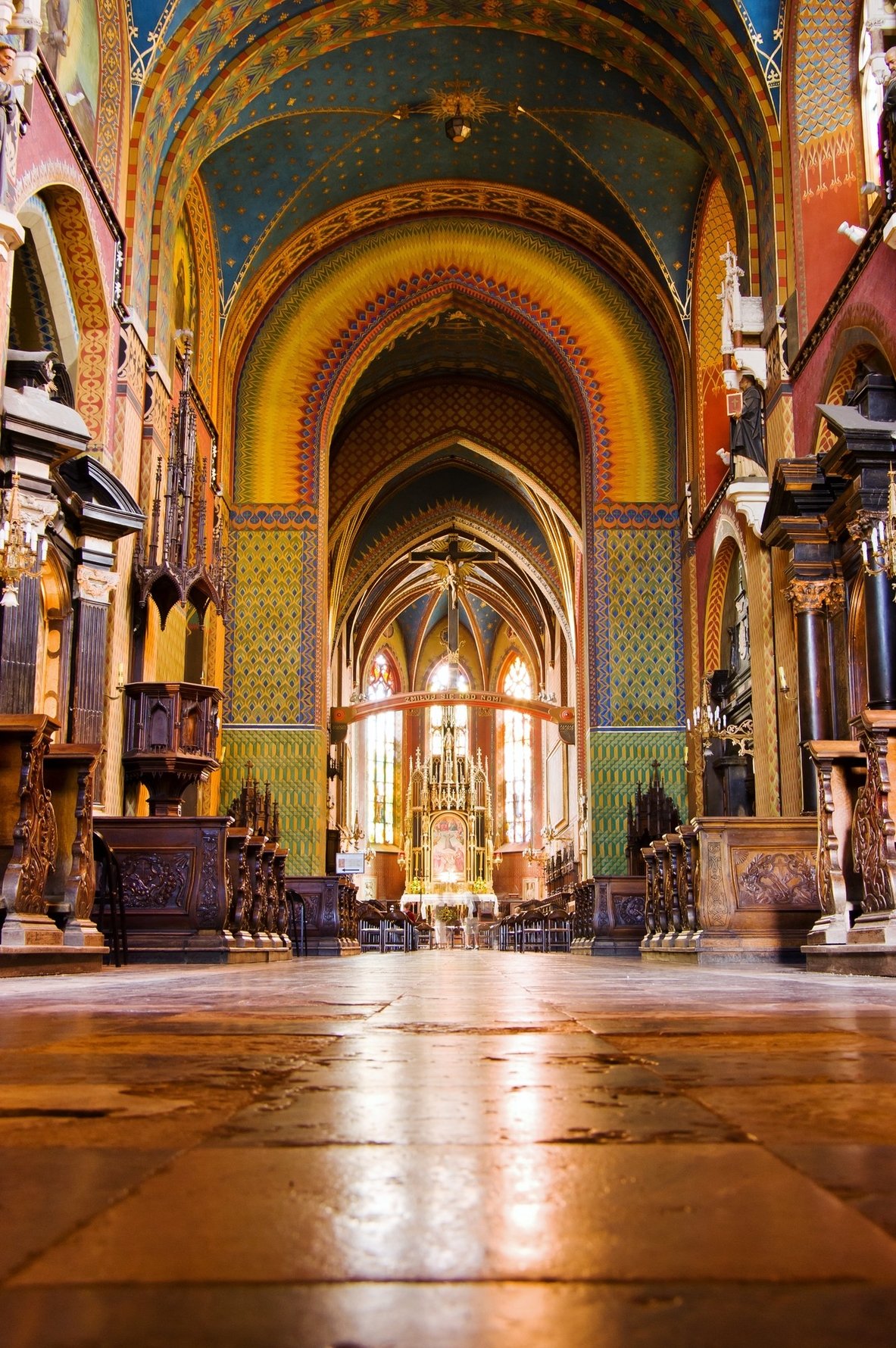
Kraków's most colourful church, and our personal favourite, thanks to the gorgeous Art Nouveau interiors by native son
Stanisław Wyspiański
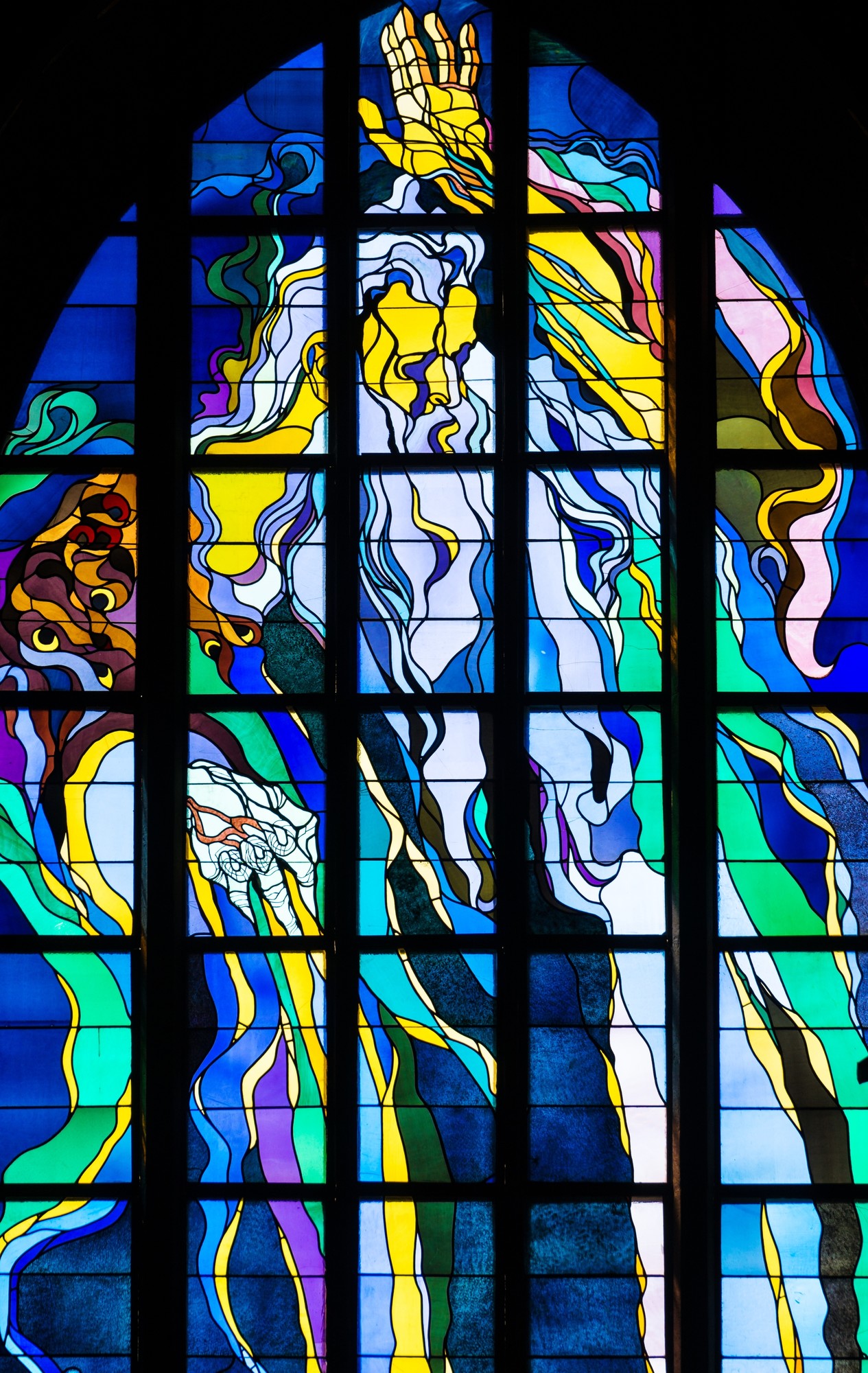
, which nicely balance the organic and geometric with unique floral patterns. Wyspiański also made the eight stained-glass windows around 1895, including the controversial and iconic centrepiece, 'God the Father in the Act of Creation.' Dating back to the 13th century, St. Francis' Basilica was the first brick building in the city and is well worth popping in, even for those who could care less for looking at another church.
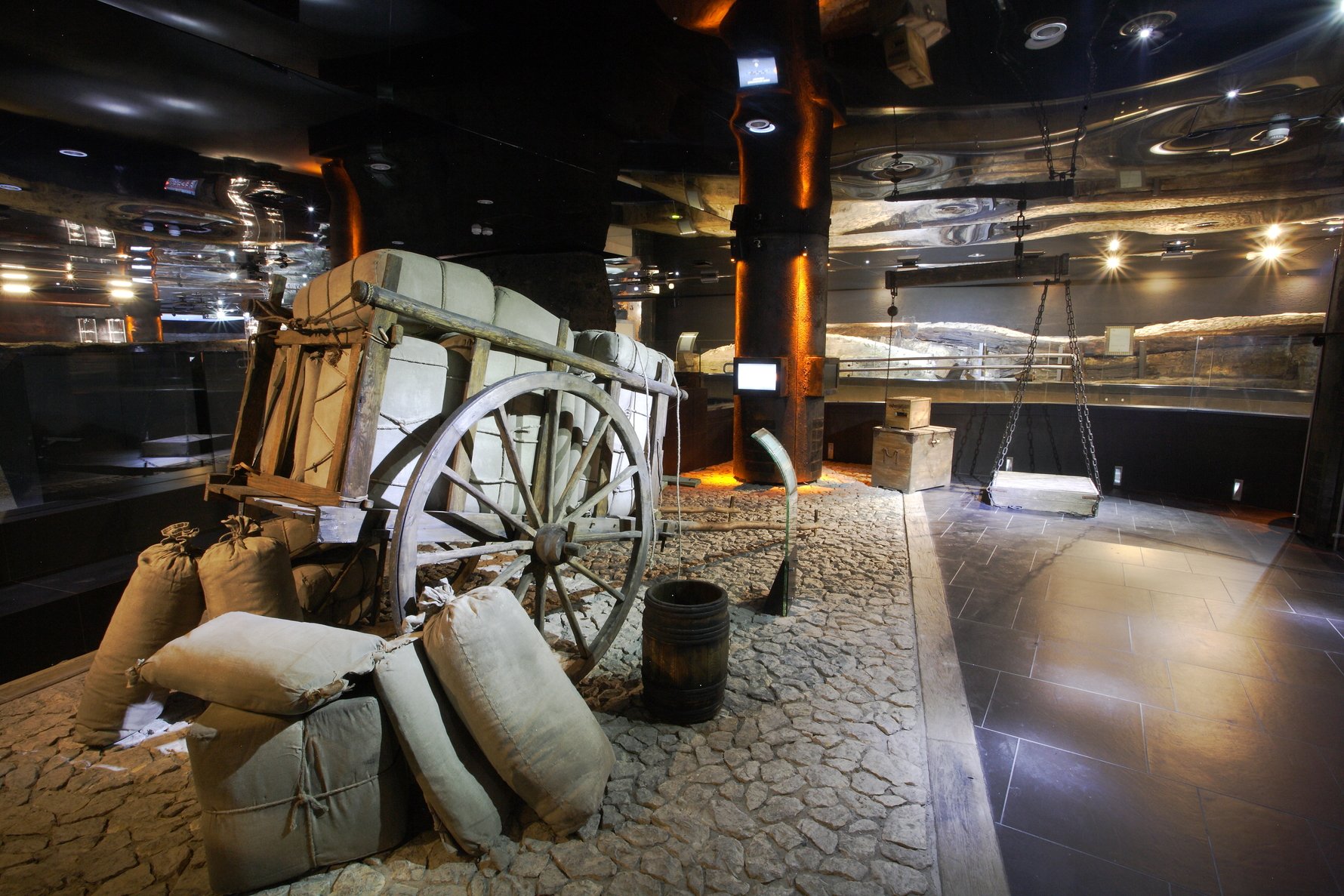
Opened in a blaze of publicity in September 2010, this hi-tech and highly popular museum takes visitors four metres under the surface of the
market square
to explore the recently excavated medieval merchant stalls that predate today’s
Cloth Hall
, and to experience the city’s entire history - from its first settlers right up to the death of
Pope John Paul II
– over the course of some 6,000 metres of multimedia exhibits.
Highlights of the museum include a fascinating look into life before Kraków received its charter and the
market square
was laid out, displays on trade and transport in the city, a fantastic
area for kids
that includes a performance by automated puppets, and the remains of an 11th-century cemetery replete with '
vampire prevention burials
' (seriously). Those more comfortable in traditional museums will be pleased to know there are still plenty of artefacts among the virtual exhibits, including the usual array of coins, clothing and other earthly remains.
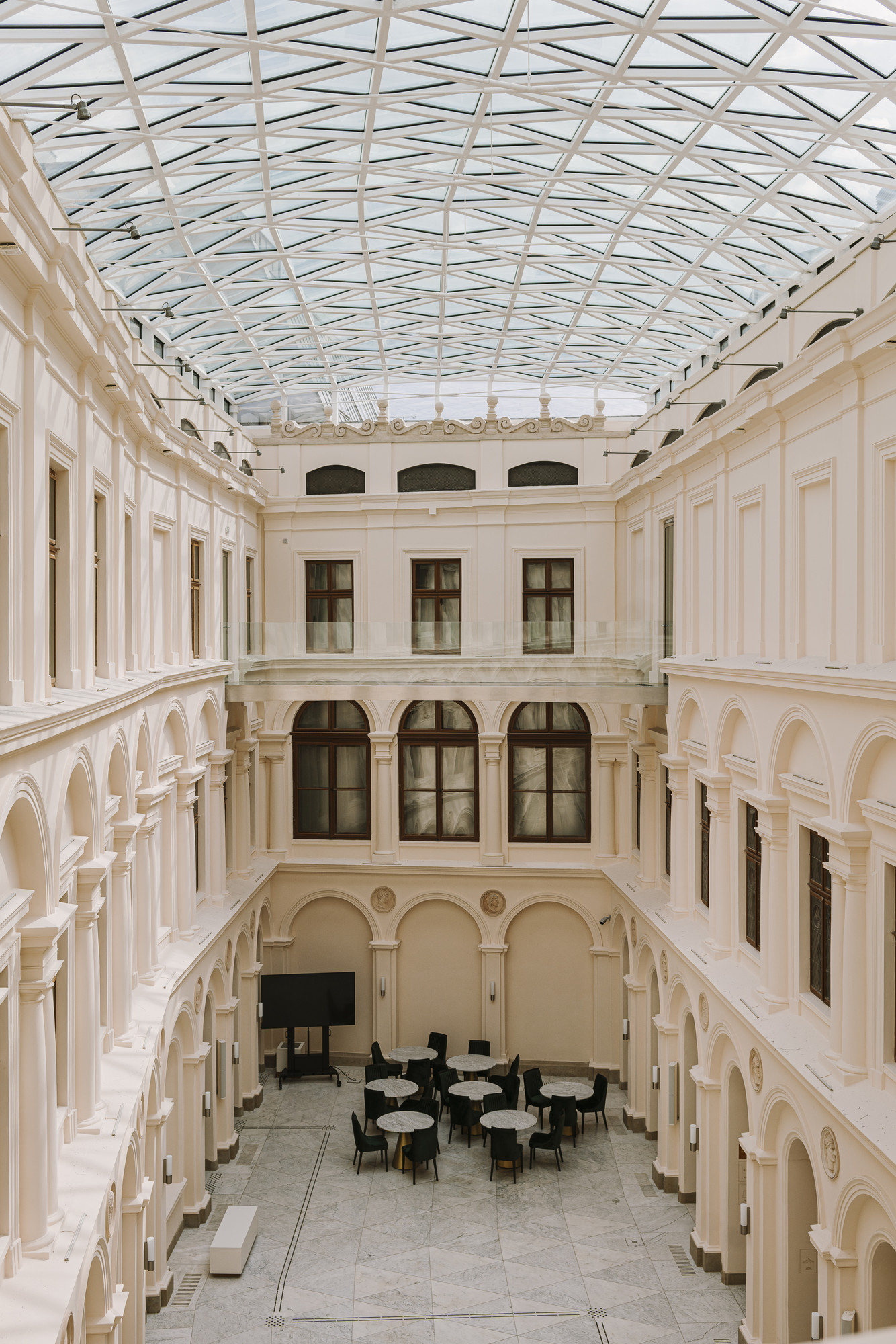
The Czartoryski Princes Museum was Kraków's most well-known and most-visited museum when it closed for renovations in 2010. Although much has changed in the city's cultural landscape in the decade since, including the acquisition of the famous Czartoryski collection by the Kraków National Museum in 2017, the legacy of the prestigious Czartoryski Museum still looms large. After years of careful preparation, restoration and modernisation, the Czartoryski Princes Museum finally reopened in December 2019.Lady With an Ermineby Leonardo da Vinci.
Consisting primarily of paintings by European masters, portraits of Polish nobility, Polish historical documents and national memorabilia,Poland's oldest museum was originally founded by Princess Izabela Czartoryska in 1786 at the Czartoryski family estate in Puławy (eastern PL), which was under Russian occupation during the era of Partitions. In 1798, Izabela's son, Prince Adam Jerzy Czartoryski expounded upon her 'Temple of Memory' when he travelled to Italy and acquired many Roman antiquities for the museum, as well as two of its most treasured pieces, Leonardoda Vinci's beloved oil painting 'Lady With an Ermine' and Rafael's 'Portrait of a Young Man' - the latter of which has been missing since World War II.
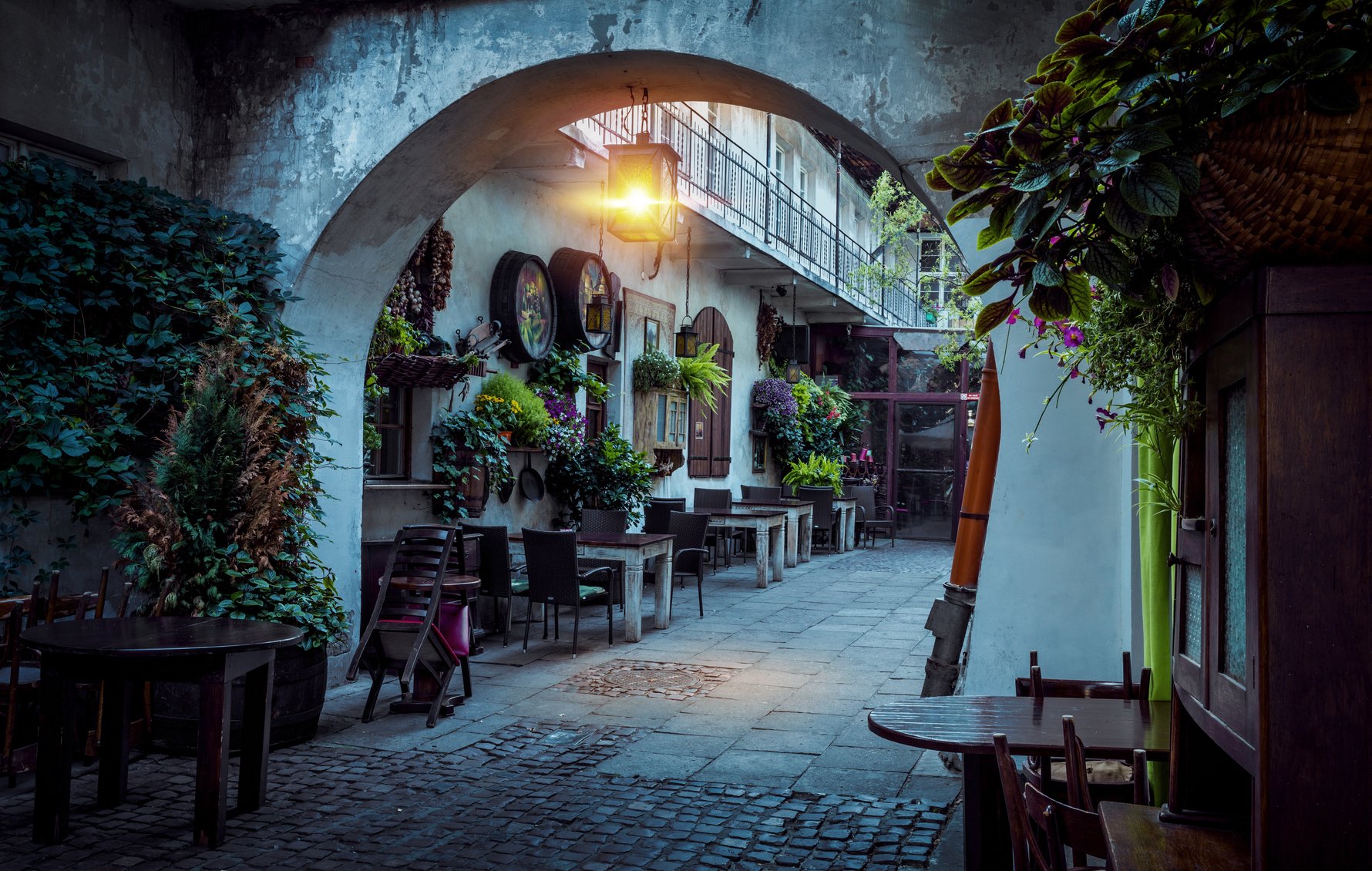
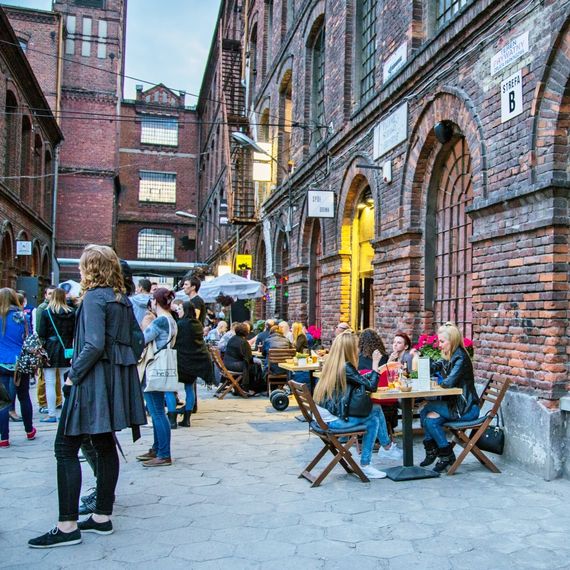
The district south of the Old Town between the Wisła River and ul. Dietla (where a tributary of the Wisła once flowed) was the centre of Jewish life in Kraków for over 500 years, before it was systematically destroyed during World War II. In the communist era it became one of Kraków’s dodgiest districts while gradually falling into disrepair. Rediscovered in the 1990s, thanks to the fall of the regime and worldwide exposure through the lens of Steven Spielberg, Kazimierz has rebounded and is today Kraków’s most exciting district – a bustling, bohemian neighbourhood packed with historical sites, atmospheric cafes and art galleries. Well-known for its associations with Schindler and Spielberg, traces of Kazimierz’s Jewish history have not only survived, but literally abound in the form of the district’s numerous synagogues and Jewish cemeteries. In fact, no other place conveys a sense of pre-war Jewish culture in Europe better than Kazimierz. As a result, the district has become a major tourist draw and pilgrimage site for Jews, which has led to the return of contemporary Jewish culture in the area.