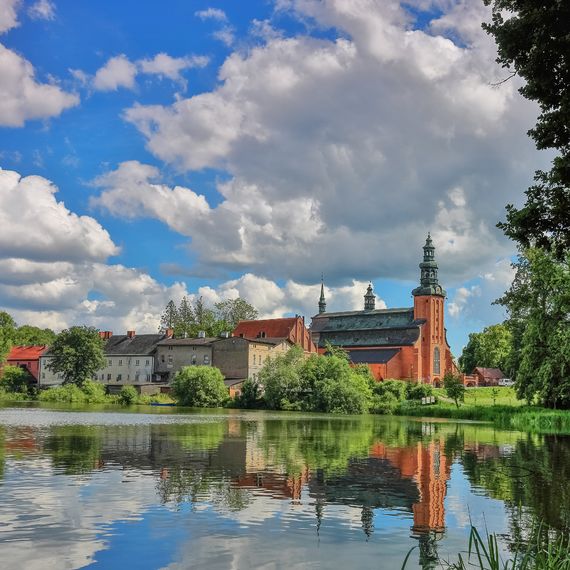
Prospective foreign travellers putting together their Polish tourist itineraries have a tendency to regard Katowice and the greater Silesian region surrounding it as an acne-scarred unwanted stepchild. However, what few people know is that this is one of the most dynamically developing regions in all of Poland with a lot to offer the open-minded tourist, businessman, post-industrial and outdoor enthusiasts.
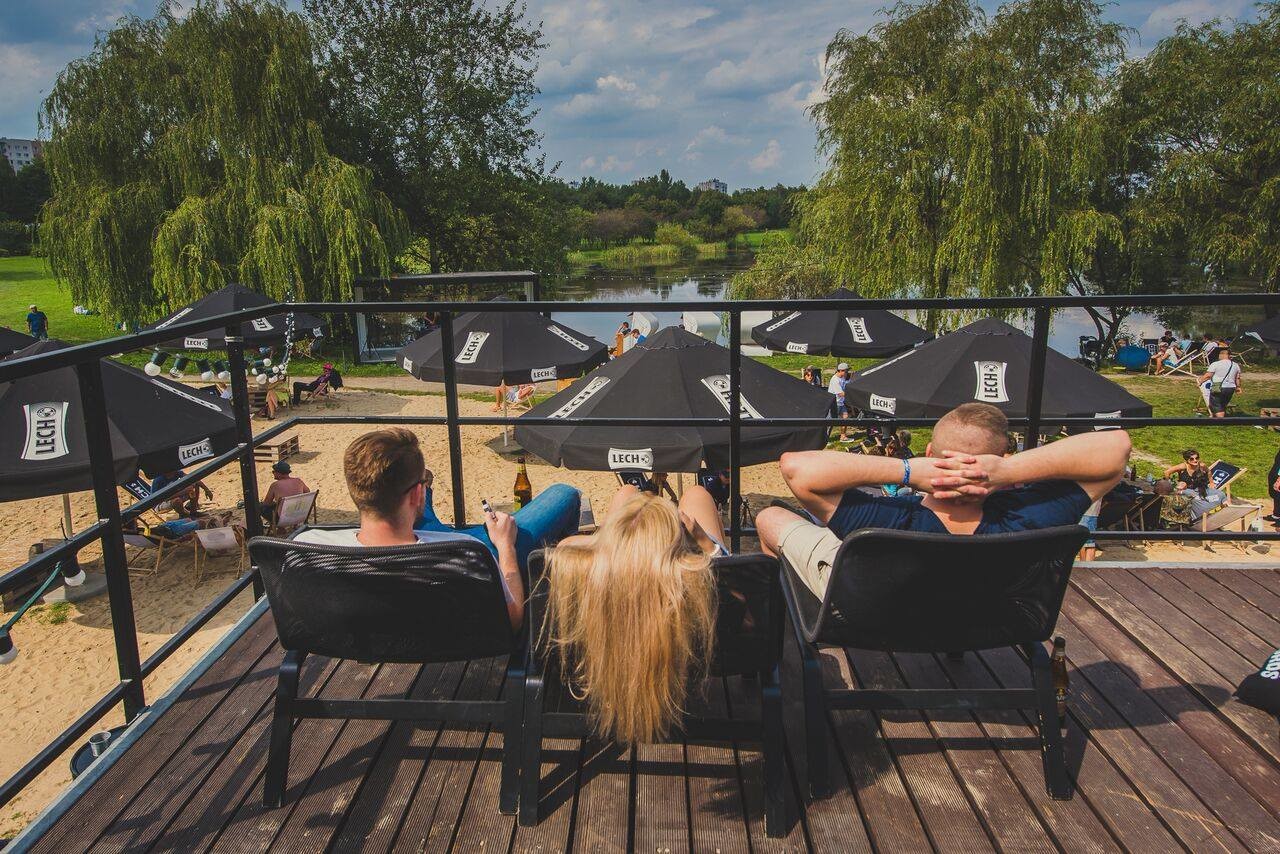
Before we get into our selection of the region's most interesting things to see and do, there are some more tailored articles to consider. Silesia has its own Industrial Tourism route as well as a the 'Silesian Tastes' Culinary Trail. We are also big fans of Silesian beer. After all, Poland's famed Żywiec Brewery is located in Silesia's south. On that note, we compiled our own list of Silesian beer gardens.
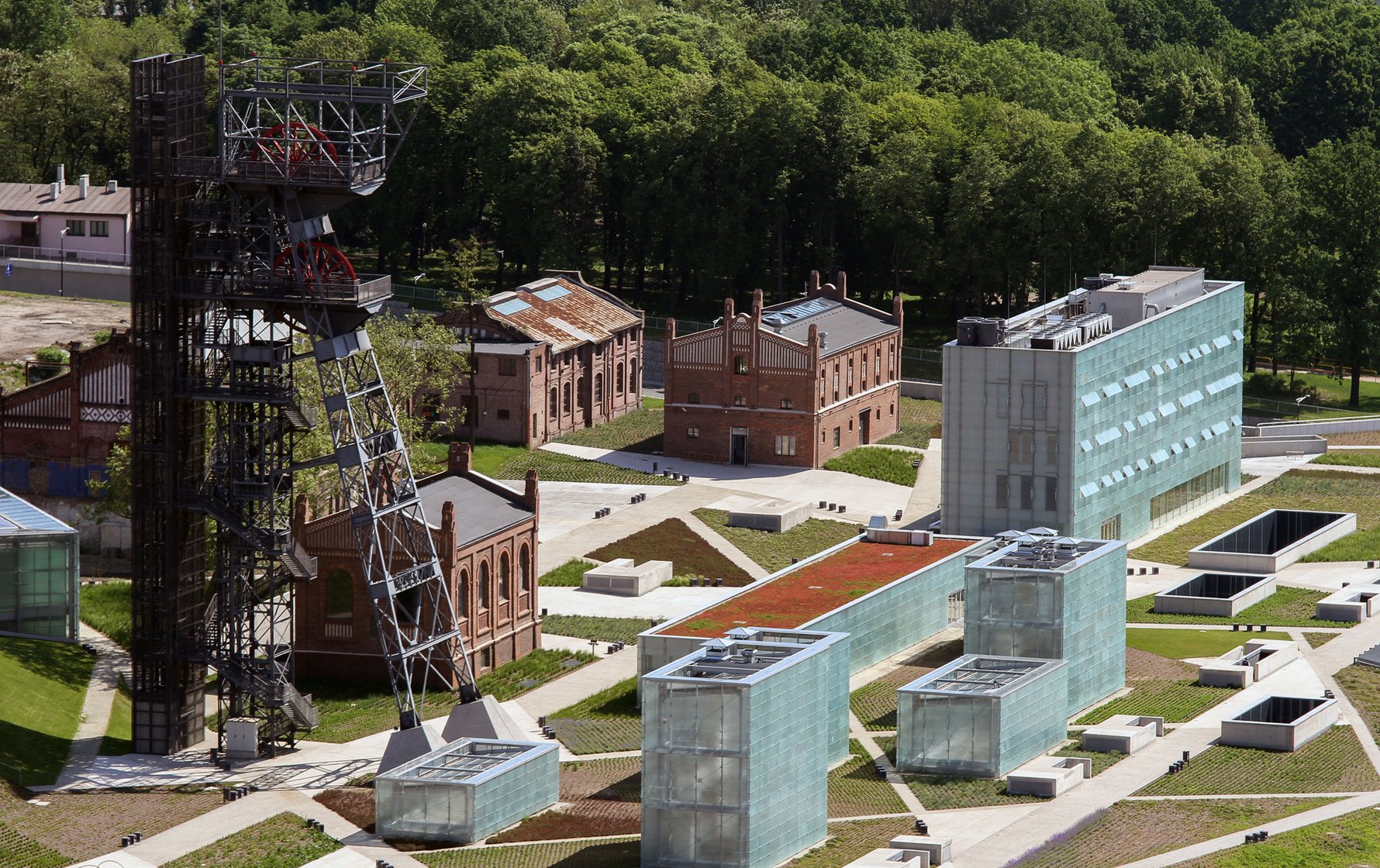
Before venturing out from Katowice, a visit to this institution is highly-recommended for understanding the spirit of the surrounding region. Built on the site of a former coal mine and part of Katowice’s cultural zone, the museum perfectly encapsulates the area's ability to honour its industrial past while embracing modernity. Much of the museum’s exhibition space is located underground, symbolically placing culture in the very ground once dug for coal. The architecture seamlessly combines glass and steel with remnants of the mining infrastructure, creating a visually stunning experience before you even step inside.
The Silesian Museum in Katowice's Cultural Zone. Photo by Katowice City Council.
The museum offers a wide range of permanent and temporary exhibitions that explore Silesian heritage from multiple perspectives—historical, artistic, and social. Visitors can walk through displays featuring Silesian art, regional history, and the development of Polish culture more broadly. One of many highlights found here is the gallery of Polish art from the 19th to the 21st century, featuring both renowned and lesser-known artists, which offers insight into the country's turbulent but resilient cultural evolution. Whether you're an art lover, history buff, or just curious about how regions reinvent themselves, the Silesian Museum offers an engaging and deeply meaningful experience.
The Silesian Museum in Katowice, with plenty of interactive fun for kids! Photo by Rafał Wyrwich.
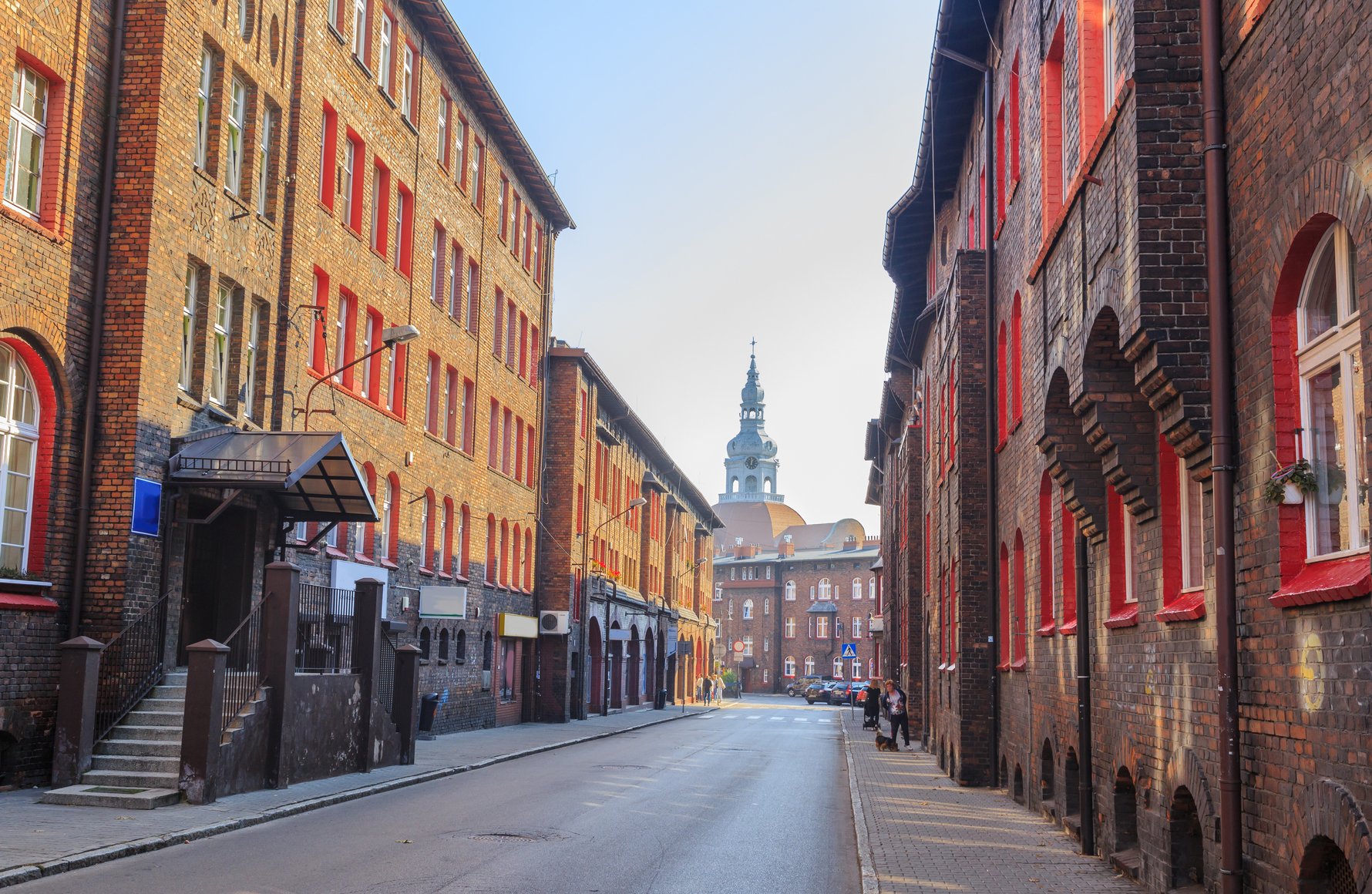
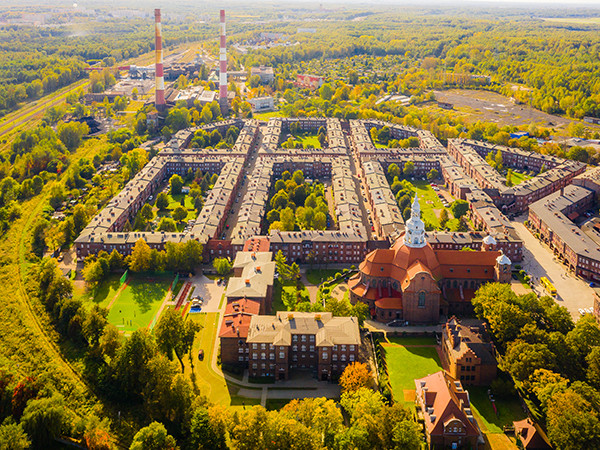
6.5km east of Katowice's city centre, Nikiszowiec is a former workers’ district that offers a rare glimpse into early 20th-century industrial urban planning, as well as remaining one of Silesia’s most photogenic and historically rich neighborhoods. Built between 1908 and 1912 to house coal miners from the nearby Wieczorek mine, this self-contained community was designed by Berlin architects Georg and Emil Zillman. It features distinctive red-brick buildings with red-framed windows, narrow streets, and arcaded passageways forming compact blocks around inner courtyards.
The former workers' district of Nikiszowiec, near Katowice. Photo by stepmar.
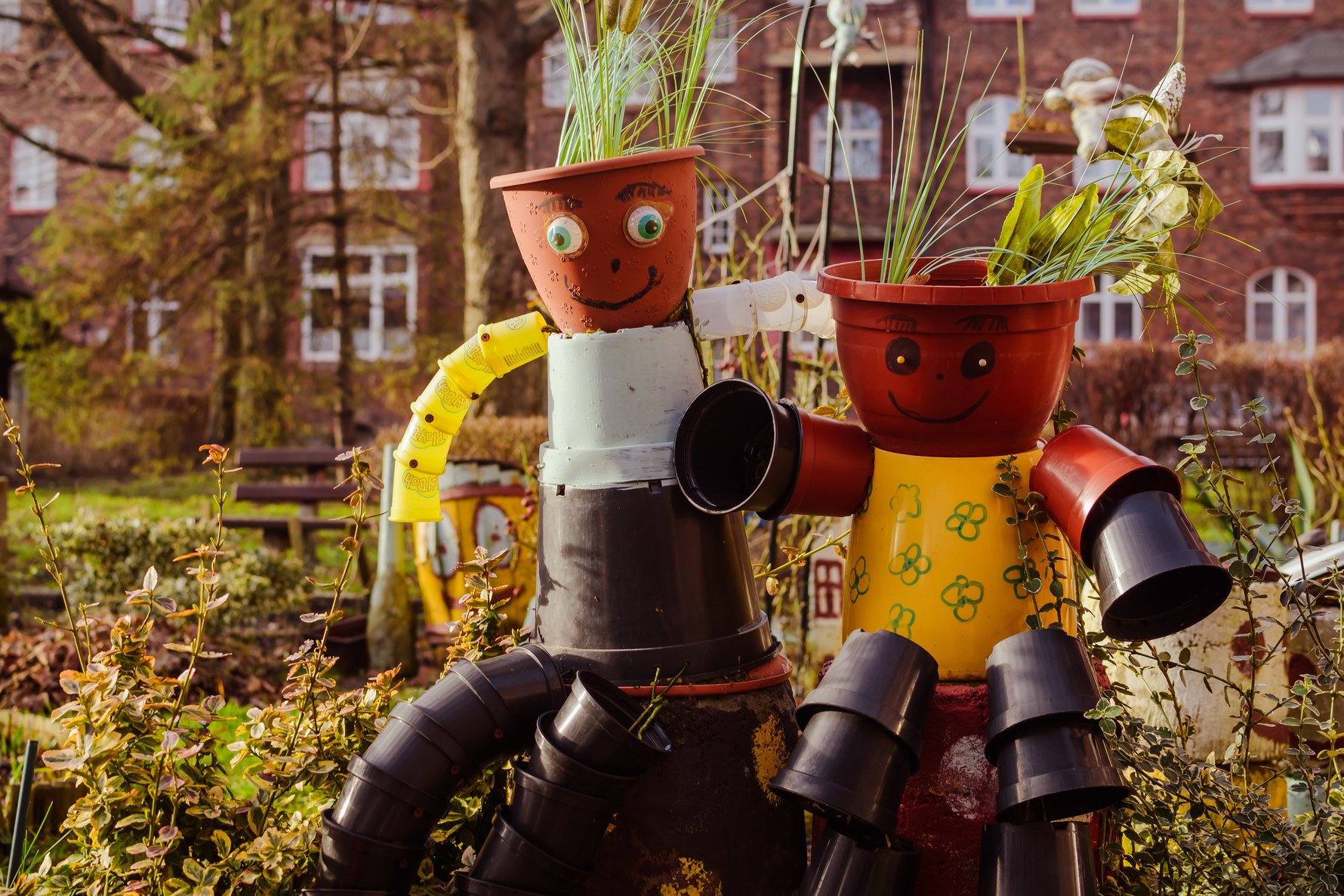
Though once neglected, the area is now undergoing a cultural revival, home to cafés, colourful garden sculptures, art spaces like the nearby Wilson Shaft Gallery, and the Industrial Ethnography Museum, where visitors can learn about local working-class life and view artworks by the Janowska Group. Listed on the Silesian Industrial Monuments Route, Nikiszowiec’s unchanged architecture and gritty charm make it a favorite for photographers and filmmakers. Efforts are underway to add the district to the UNESCO World Heritage list. Easily reachable by bus, it’s a fascinating detour from central Katowice—just be sure to explore respectfully and keep your camera ready.
Some of the colourful garden sculptures that can be found around Nikiszowiec. Photo by Yurii Zymovin.
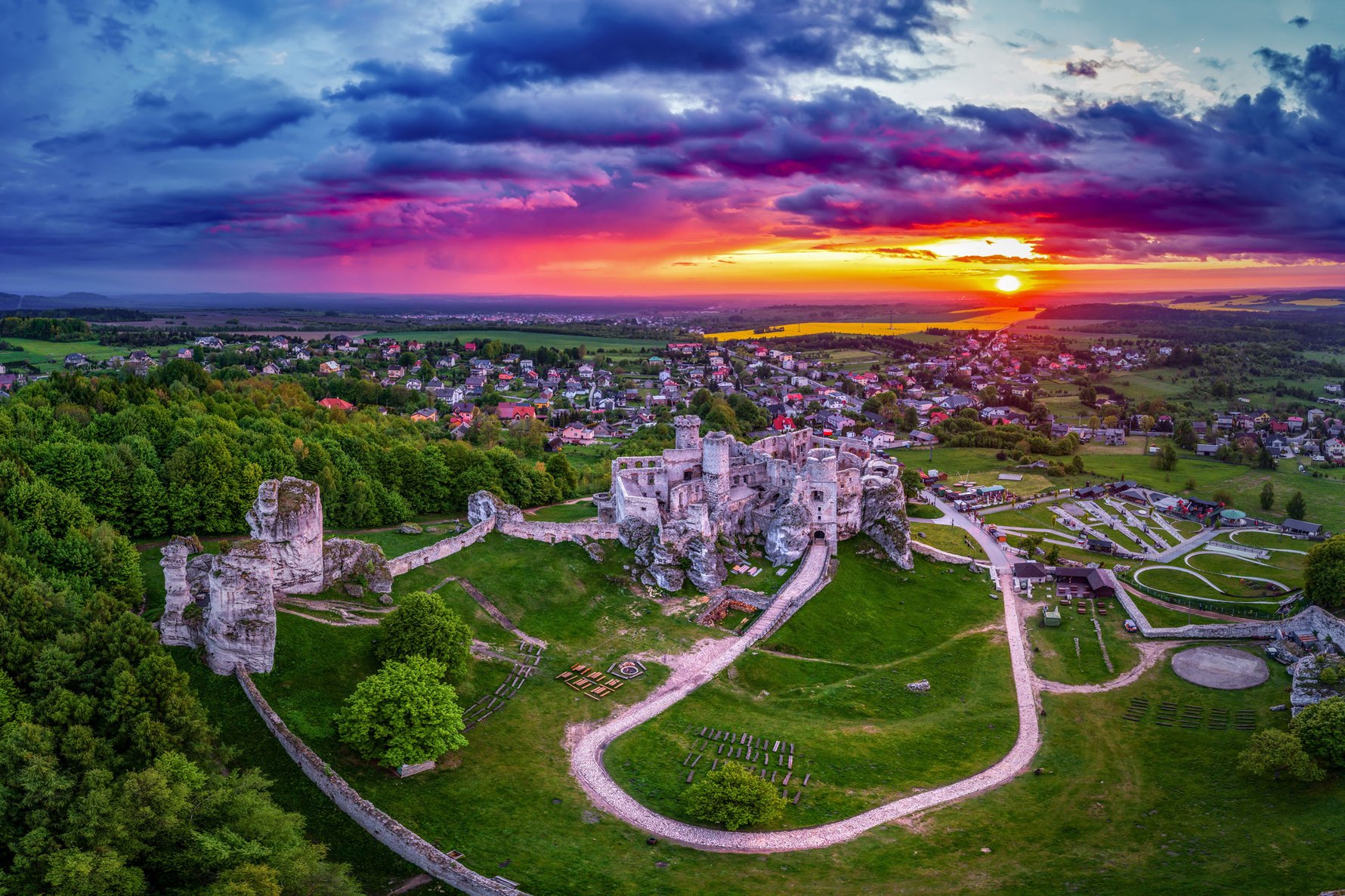
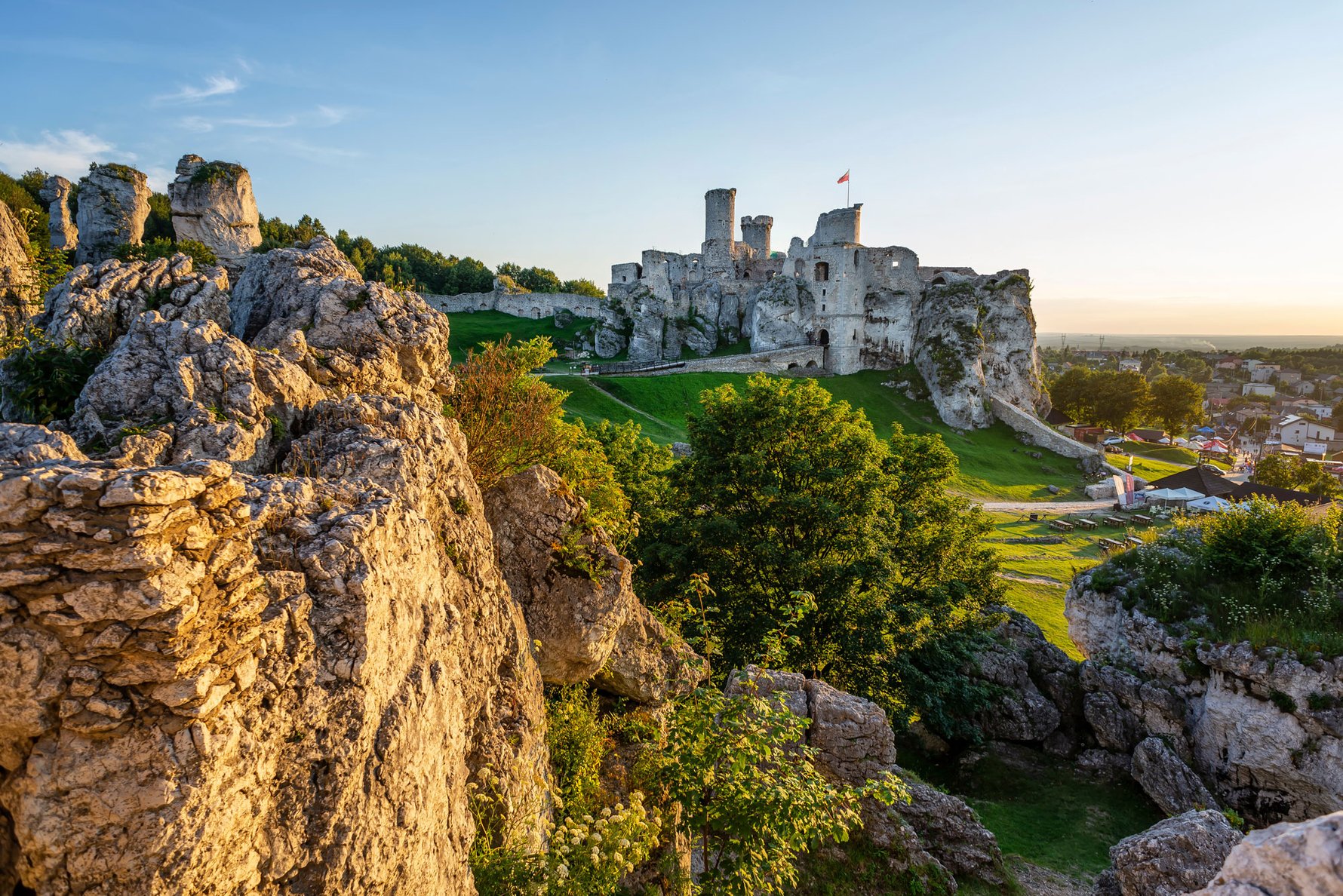
Ogrodzieniec Castle, located about 50km from Katowice in the village of Podzamcze, is one of Poland’s most breathtaking castle ruins. Perched at 504 meters above sea level on the highest point of the Kraków-Częstochowa Upland, it offers sweeping views and is surrounded by dramatic limestone formations known as inselbergs. Originally built in the 14th century under King Kazimierz as part of the Eagles’ Nests defensive chain, the castle was transformed into a Renaissance residence by the wealthy Boner family in the 16th century. Though repeatedly destroyed—especially during Swedish invasions—it remains an atmospheric and impressive site.
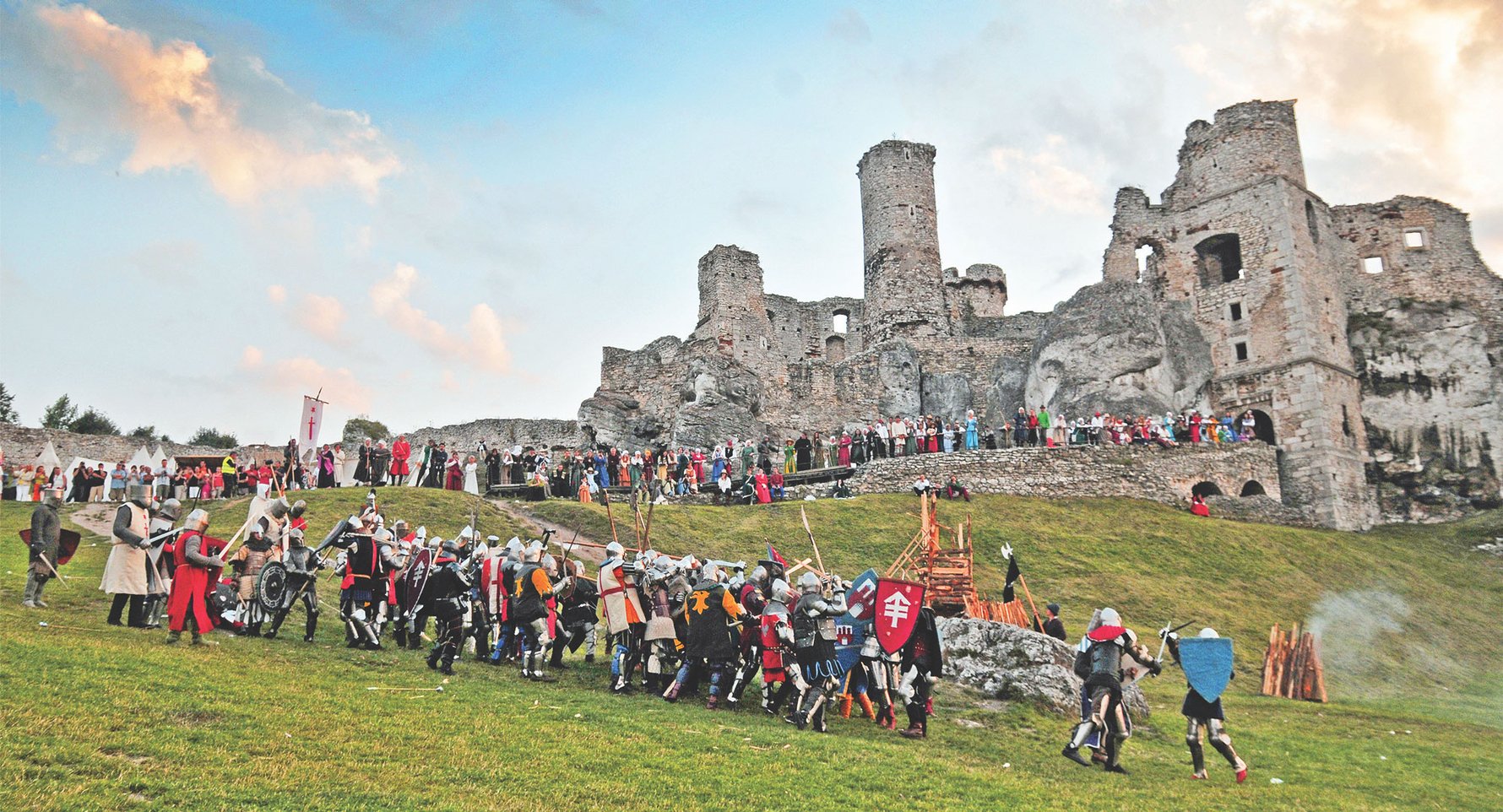
Today, visitors can explore the restored ruins via a designated walking trail that includes two towers, wooden cloisters, and elevated viewpoints. Nighttime visits are especially magical thanks to strategic lighting that enhances the castle’s mystical aura and the legends that linger in its shadow. Amenities include a seasonal café, a tourist information office, and even a quirky torture chamber exhibit. Interest in the site has surged since it featured in the Netflix series The Witcher. Seasonal events, from medieval tournaments to folklore performances and night tours, add to the unforgettable experience at one of Poland’s most iconic and photogenic historic landmarks.
One of the many lively medieval reconstructions that take place at Ogrodzieniec Castle in Silesia.
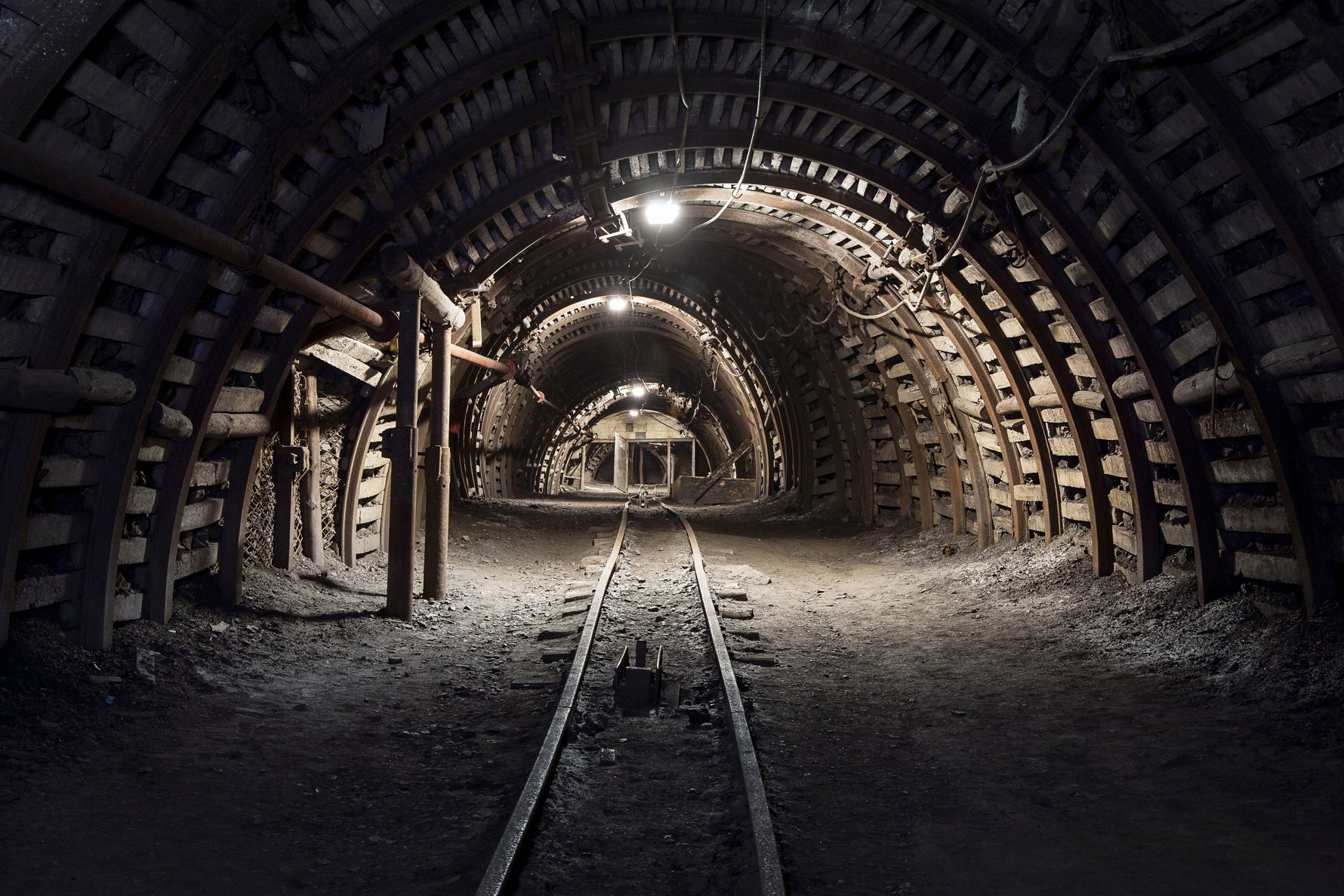
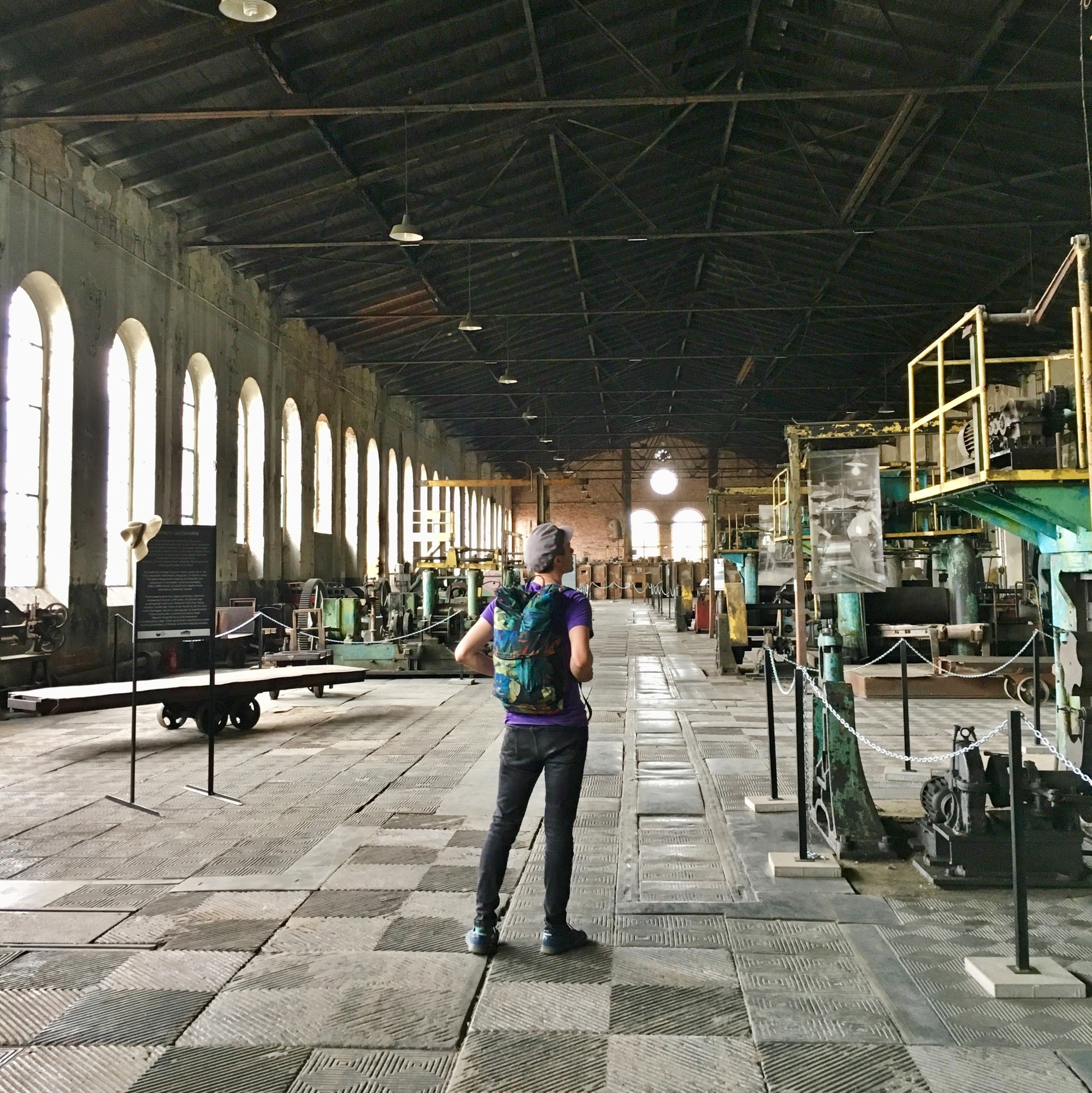
Constructed in 1855, the Guido Coal Mine is an unforgettable journey deep beneath the earth’s surface. Adventurers don hard hats and descend 170 meters via a rattling cage elevator into a preserved world of coal mining history. The mine’s tunnels and shafts remain almost exactly as they were during the height of the Industrial Revolution, offering an immersive and gritty experience.
The dark and fascinating depths of the Guido Mineshaft in Silesia. Photo by malajscy.
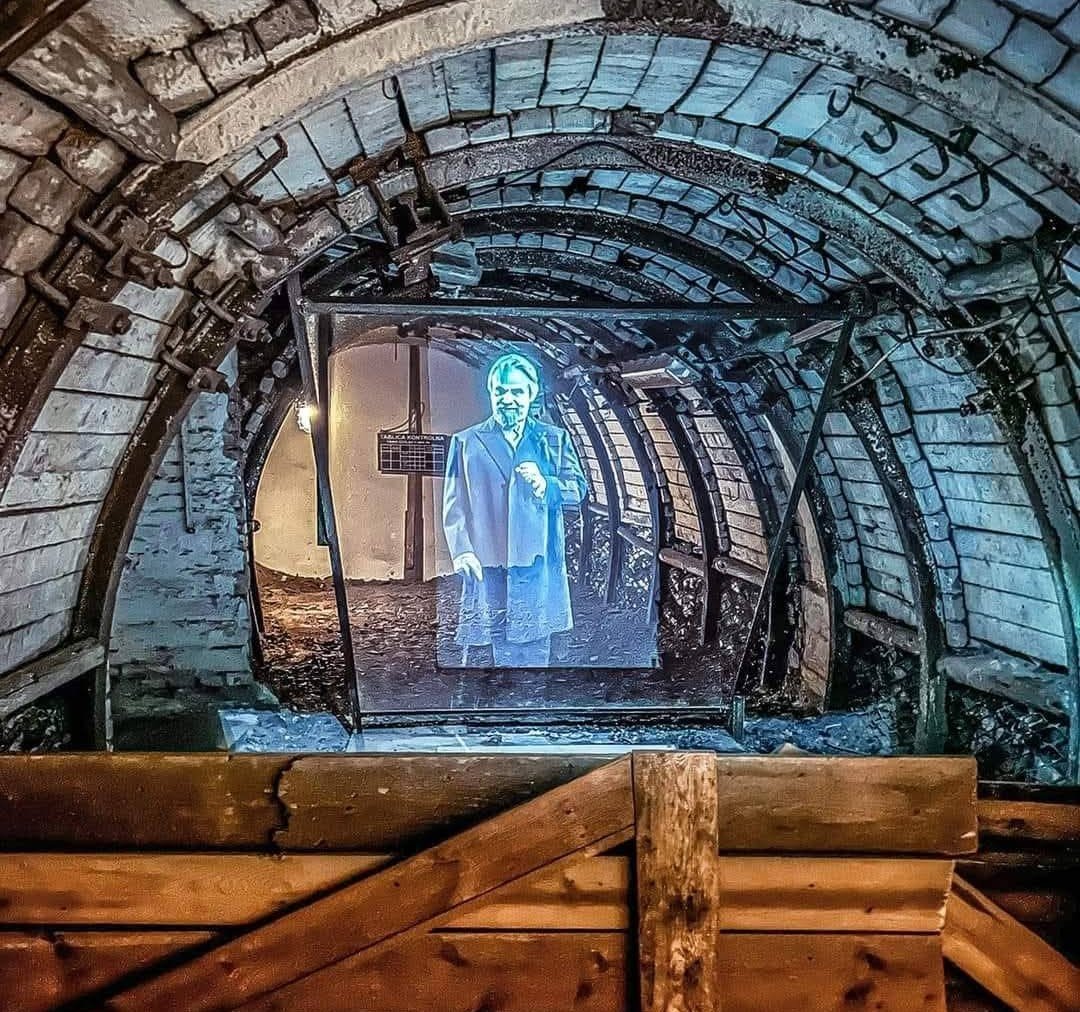
Three guided tours are available, each going deeper and requiring more protective gear—provided as part of the ticket. Along the way, visitors encounter original equipment, like century-old drainage pumps and massive drills, brought to life with sound effects and multimedia installations. One level features an “art floor” with modern exhibitions and cinematic presentations that contrast the raw industrial surroundings.
Interactive displays that bring the depths of the Guide Coal Mine to life. Photo by Kopalnia Guido.
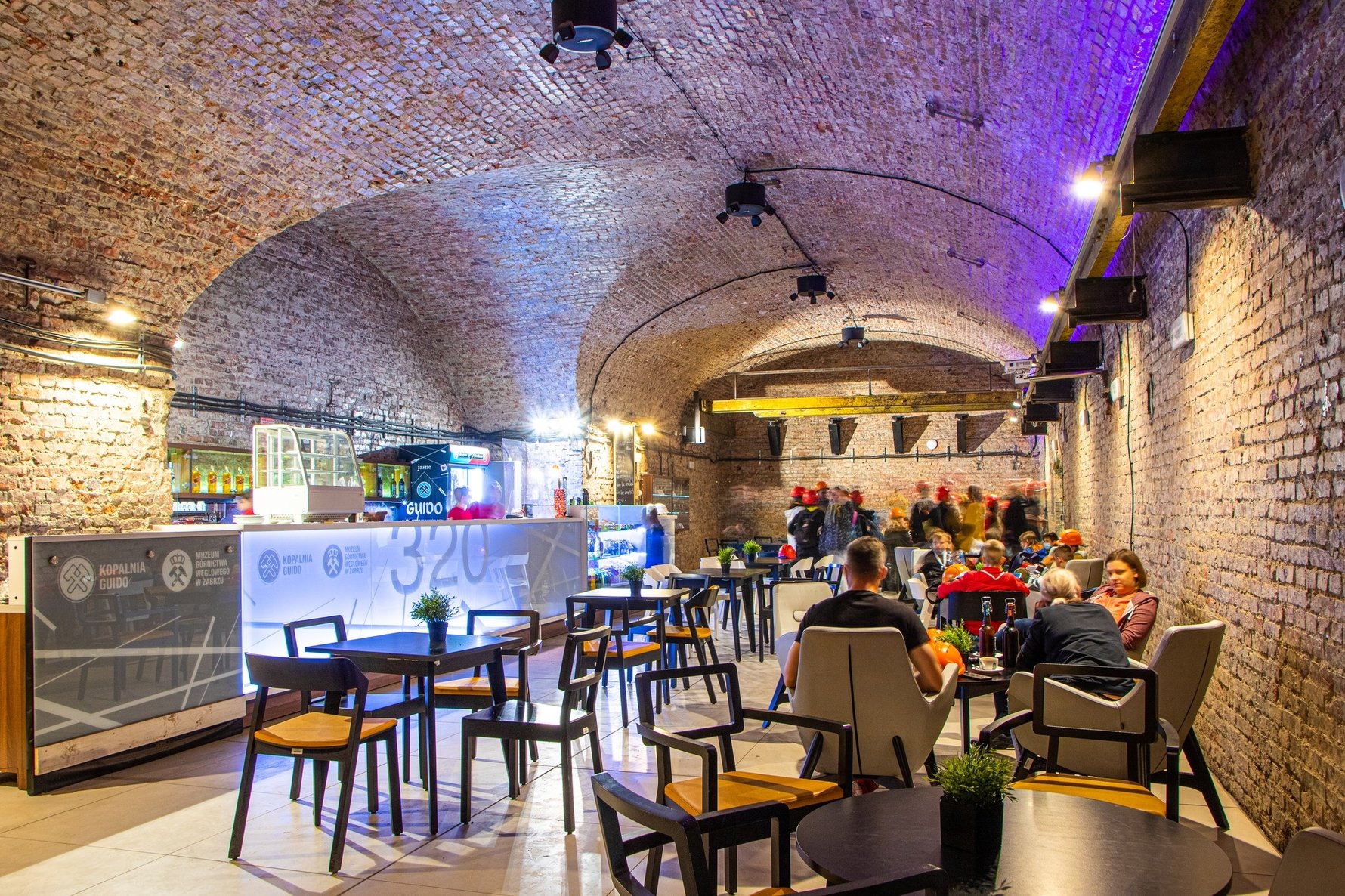
At 320 meters below ground, guests can ride the unique Wuppertal-style suspension railway and visit Europe’s deepest underground bar, Pub 320, housed in the atmospheric Pump Hall. This level also hosts concerts and cultural events. For those craving hands-on experience, the -355m level offers the chance to operate real mining equipment under the supervision of retired miners. With a mix of education, thrill, and atmosphere, Guido Mine is one of Silesia’s most compelling underground adventures.
Pub 320, Europe's deepest underground pub, located exactly 320m below the surface in the Guido Coal Mine! Photo by Kopalnia Guido.
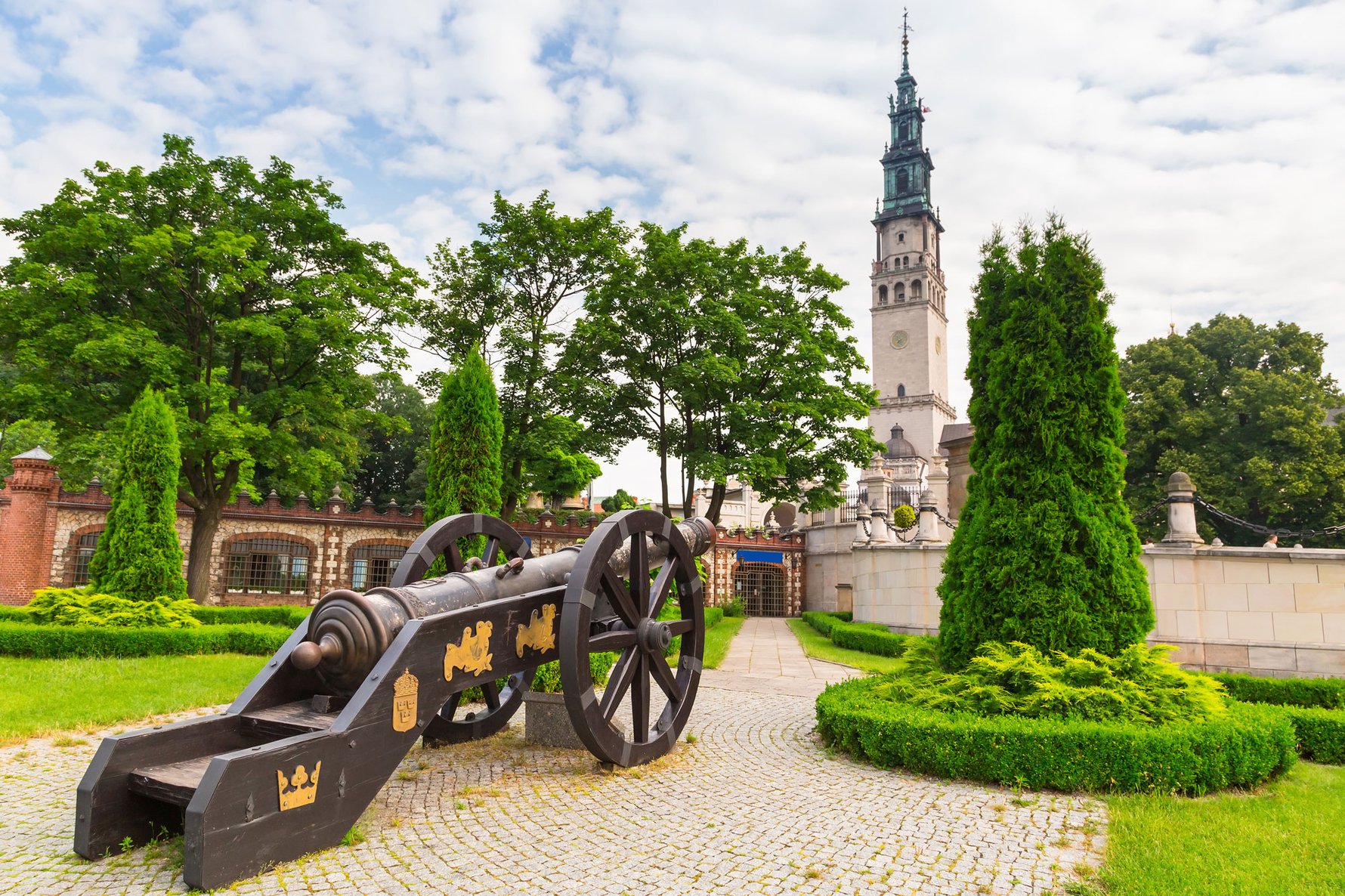
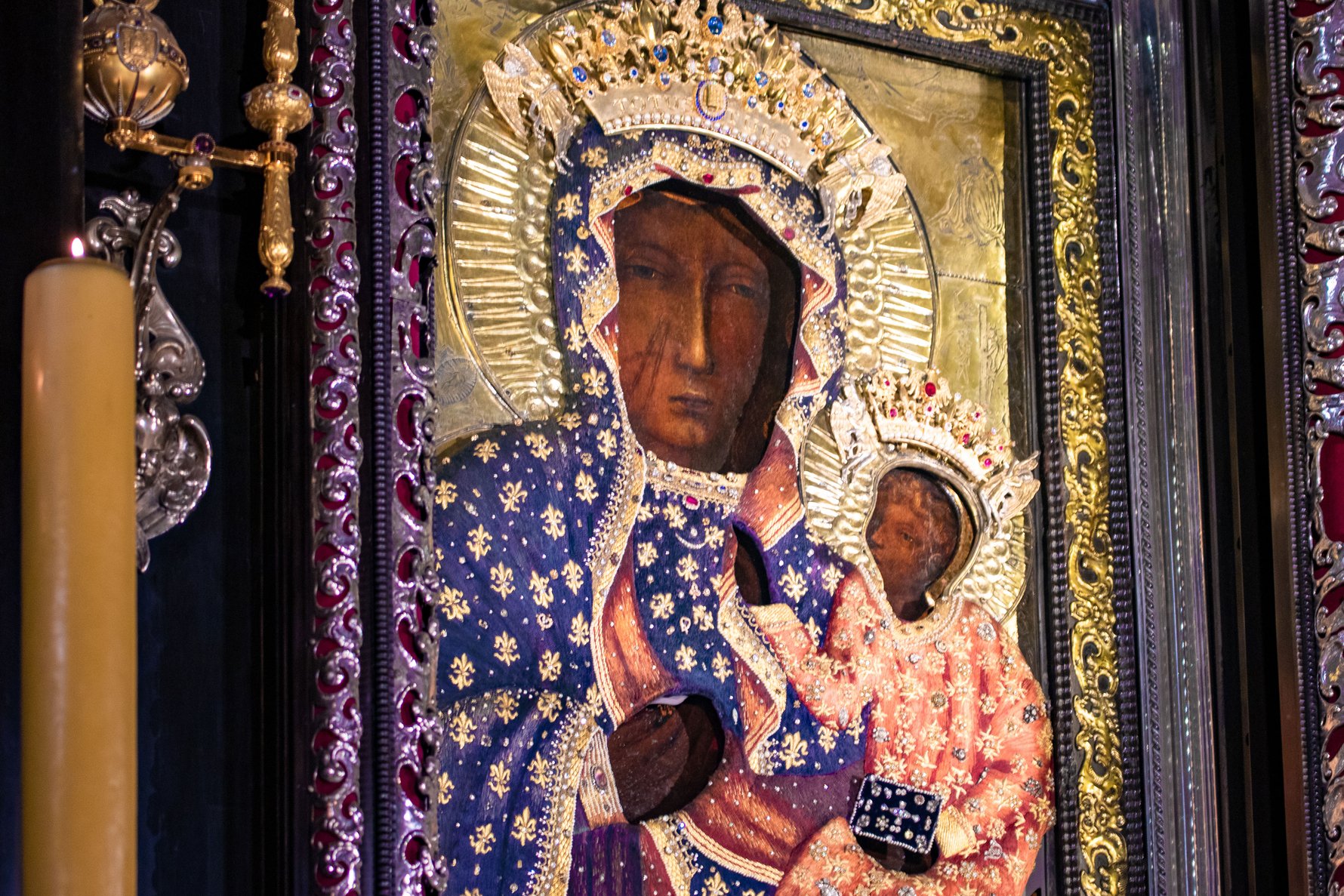
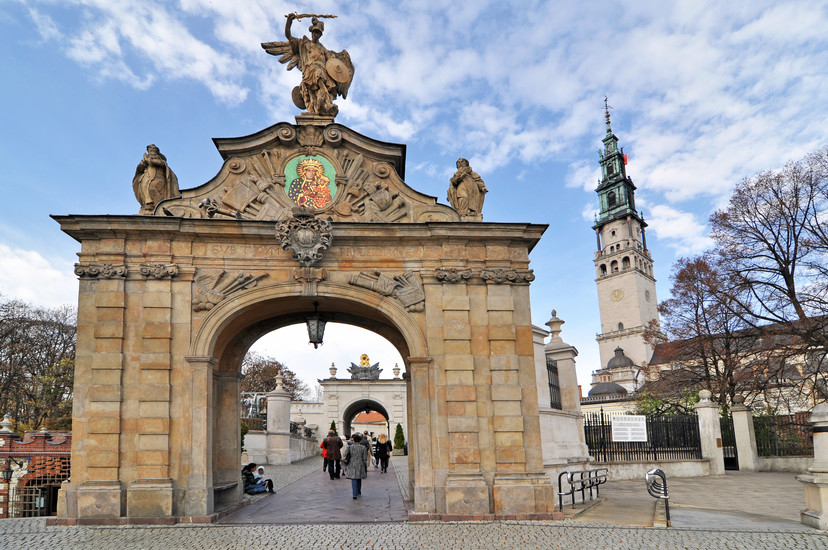
Jasna Góra Monastery in Częstochowa is one of Poland’s most sacred religious sites and a key pilgrimage destination, even though it’s not officially part of the Eagles’ Nest Trail. Perched on a 340-meter limestone hill, this 14th-century Pauline complex houses the revered icon of the Black Madonna, believed by many to perform miracles and heal the sick. The Gothic Chapel of Our Lady, where the icon is displayed, dates back to the 15th century and is surrounded by offerings from the millions of pilgrims who visit each year.
Jasna Góra Monastery in Częstochowa, Poland's holiest city. Photo by Patryk Kosmider.
The origins of the Black Madonna remain mysterious—some claim it was painted by St. Luke, while scholars debate its creation between the 5th and 14th centuries. Legend holds that the image was miraculously saved from the Tartars in Belz before being brought to Częstochowa in 1382 by Prince Ladislaus of Opole. It famously survived a Hussite attack in 1430 and is credited with saving the monastery from a Swedish siege in 1655.
Our Lady of Częstochowa AKA The Black Madonna in Jasna Góra. Photo by zenpaku.
Today, Jasna Góra hosts major pilgrimages during the Marian feasts in August and September. Visitors can explore the monastery, see the tallest spire in Poland (106m), and learn more at the nearby Match Production Museum. It's easily accessible from Częstochowa’s bus station.
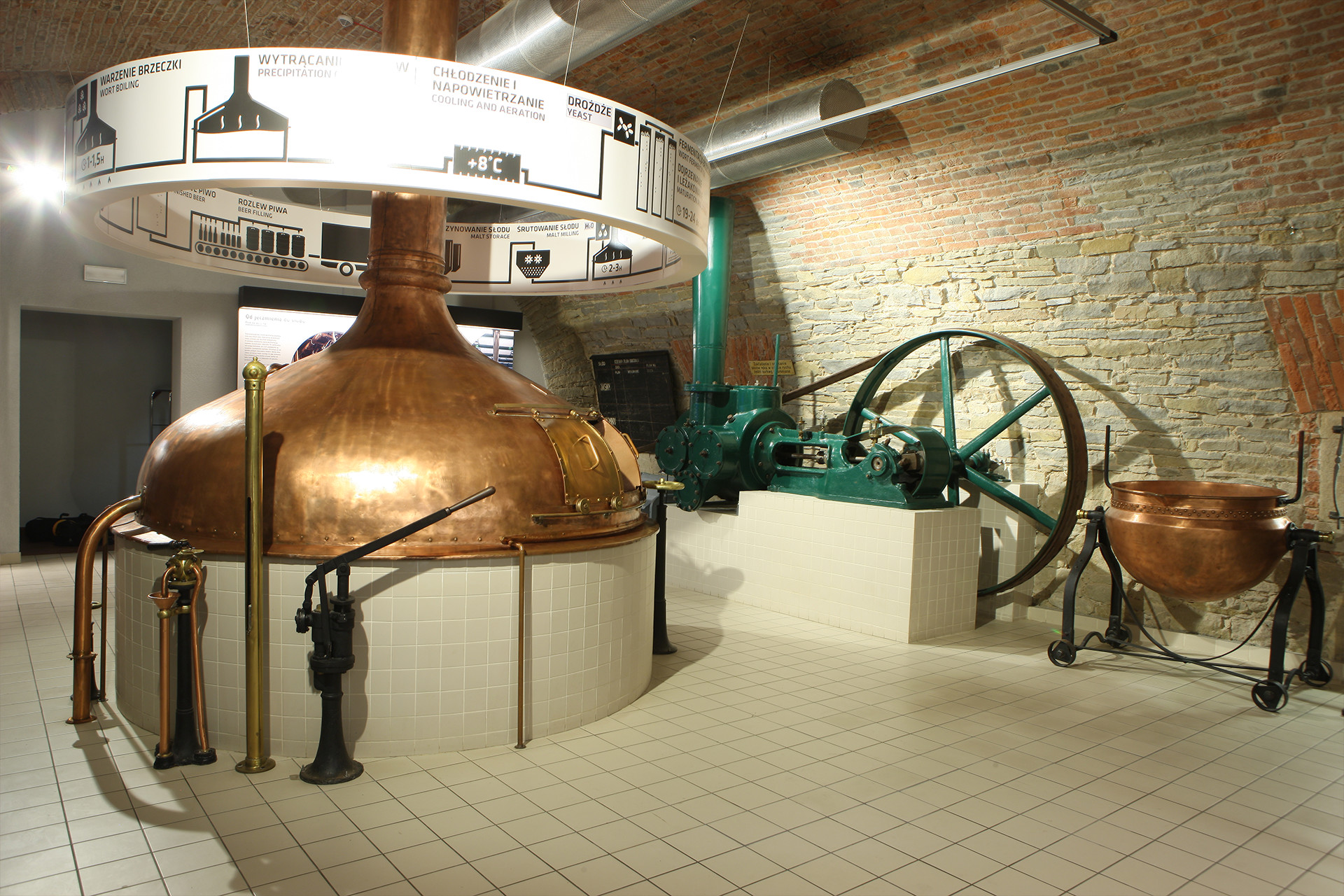
Those with their beer goggles may be drawn to a familiar name on the map of Upper Silesia – that of Żywiec. This small, picturesque town about 80 kilometres south of Katowice is home to a 13th-century castle, several fine cathedrals and a large protected landscape park in addition to Poland’s most famous brewery. Chosen for its crystal clear mountain waters, the Habsburgs (yes, they of royal origin) founded the brewery here in 1852, and the first batch was produced four years later. The brand developed into a symbol of national identity as exports began in 1913. Nationalised under communism, the brewery was acquired by the Heineken group after a drawn out court battle and was thoroughly modernized in the 90s.
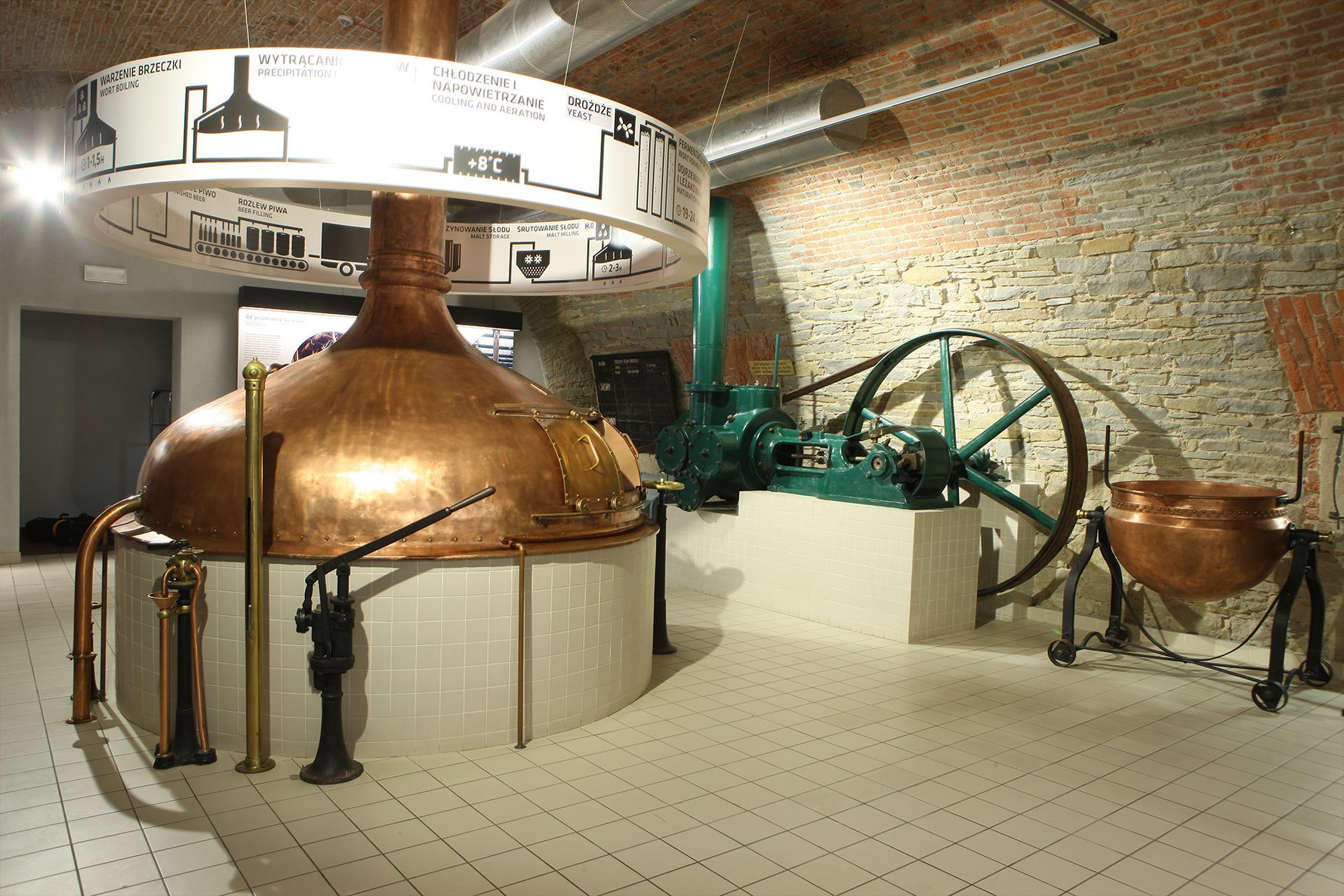
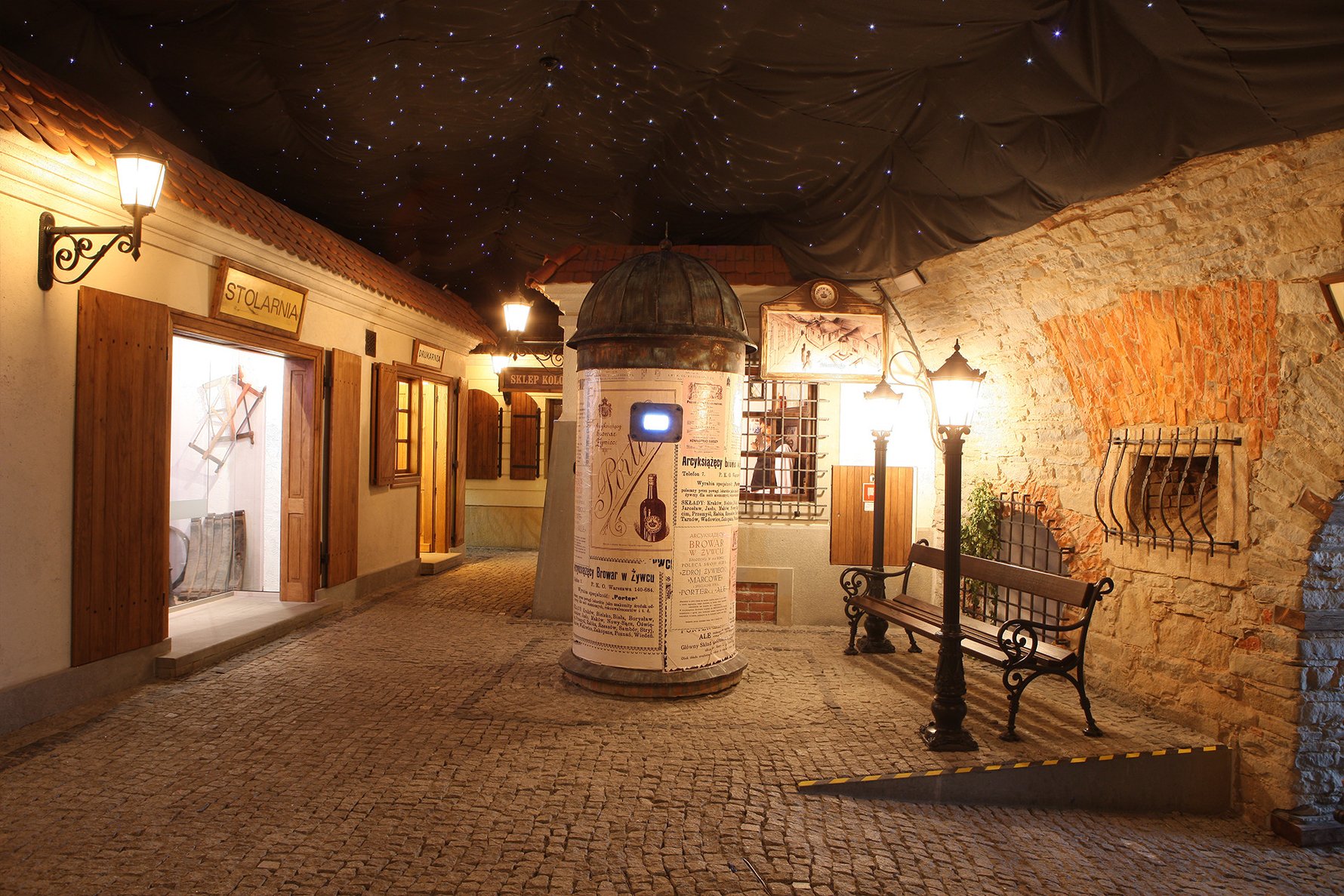
Inside the famed Żywiec Brewery in Silesia. Photo by Muzeum Browaru Żywiec.
Today over 20 rooms of the brewery are open to all with a museum and brewery tour (available in English, Czech and German) showing you the different ingredients, stages and methods of beer production, as well as the history of the site itself from its beginnings, through the world wars, under the PRL and on to today. Much is housed within the original Habsburg buildings and part of the site has been recreated as it was in the 19th century, including a Galician Inn.
Inside the famed Żywiec Brewery in Silesia. Photo by Muzeum Browaru Żywiec.
Żywiec brewery is a 15-minute walk from the local train station, with a few local buses facilitating the trip for the less mobile and less willing. Ticket prices include the obligatory half-litre and you get to keep the commemorative glass. Due to its popularity and the high volume of guests, a tour reservation is required!